
new
Get trending papers in your email inbox once a day!
Get trending papers in your email inbox!
Subscribe
TransMLA: Multi-head Latent Attention Is All You Need
Modern large language models (LLMs) often encounter communication bottlenecks on current hardware, rather than purely computational constraints. Multi-head Latent Attention (MLA) tackles this challenge by using low-rank matrices in the key-value (KV) layers, thereby allowing compressed latent KV states to be cached. This approach significantly reduces the KV cache size relative to traditional multi-head attention, leading to faster inference. Moreover, MLA employs an up-projection matrix to increase expressiveness, trading additional computation for reduced communication overhead. Although MLA has demonstrated efficiency and effectiveness in Deepseek V2/V3/R1, many major model providers still rely on Group Query Attention (GQA) and have not announced any plans to adopt MLA. In this paper, we show that GQA can always be represented by MLA while maintaining the same KV cache overhead, but the converse does not hold. To encourage broader use of MLA, we introduce **TransMLA**, a post-training method that converts widely used GQA-based pre-trained models (e.g., LLaMA, Qwen, Mixtral) into MLA-based models. After conversion, the model can undergo additional training to boost expressiveness without increasing the KV cache size. Furthermore, we plan to develop MLA-specific inference acceleration techniques to preserve low latency in transformed models, thus enabling more efficient distillation of Deepseek R1.

TPLA: Tensor Parallel Latent Attention for Efficient Disaggregated Prefill \& Decode Inference
Multi-Head Latent Attention (MLA), introduced in DeepSeek-V2, compresses key-value states into a low-rank latent vector, caching only this vector to reduce memory. In tensor parallelism (TP), however, attention heads are computed across multiple devices, and each device must load the full cache, eroding the advantage of MLA over Grouped Query Attention (GQA). We propose Tensor-Parallel Latent Attention (TPLA): a scheme that partitions both the latent representation and each head's input dimension across devices, performs attention independently per shard, and then combines results with an all-reduce. TPLA preserves the benefits of a compressed KV cache while unlocking TP efficiency. Unlike Grouped Latent Attention (GLA), every head in TPLA still leverages the full latent representation, maintaining stronger representational capacity. TPLA is drop-in compatible with models pre-trained using MLA: it supports MLA-style prefilling and enables efficient tensor-parallel decoding without retraining. Applying simple orthogonal transforms -- e.g., the Hadamard transform or PCA -- before TP slicing further mitigates cross-shard interference, yielding minimal accuracy degradation. By reducing the per-device KV cache for DeepSeek-V3 and Kimi-K2, we achieve 1.79x and 1.93x speedups, respectively, at a 32K-token context length while maintaining performance on commonsense and LongBench benchmarks. TPLA can be implemented with FlashAttention-3, enabling practical end-to-end acceleration.


Towards Economical Inference: Enabling DeepSeek's Multi-Head Latent Attention in Any Transformer-based LLMs
Multi-head Latent Attention (MLA) is an innovative architecture proposed by DeepSeek, designed to ensure efficient and economical inference by significantly compressing the Key-Value (KV) cache into a latent vector. Compared to MLA, standard LLMs employing Multi-Head Attention (MHA) and its variants such as Grouped-Query Attention (GQA) exhibit significant cost disadvantages. Enabling well-trained LLMs (e.g., Llama) to rapidly adapt to MLA without pre-training from scratch is both meaningful and challenging. This paper proposes the first data-efficient fine-tuning method for transitioning from MHA to MLA (MHA2MLA), which includes two key components: for partial-RoPE, we remove RoPE from dimensions of queries and keys that contribute less to the attention scores, for low-rank approximation, we introduce joint SVD approximations based on the pre-trained parameters of keys and values. These carefully designed strategies enable MHA2MLA to recover performance using only a small fraction (0.3% to 0.6%) of the data, significantly reducing inference costs while seamlessly integrating with compression techniques such as KV cache quantization. For example, the KV cache size of Llama2-7B is reduced by 92.19%, with only a 0.5% drop in LongBench performance.

Multi-head Temporal Latent Attention
While Transformer self-attention offers strong parallelism, the Key-Value (KV) cache grows linearly with sequence length and becomes a bottleneck for inference efficiency. Multi-head latent attention was recently developed to compress the KV cache into a low-rank latent space. This paper proposes Multi-head Temporal Latent Attention (MTLA), which further reduces the KV cache size along the temporal dimension, greatly lowering the memory footprint of self-attention inference. MTLA employs a hyper-network to dynamically merge temporally adjacent KV cache vectors. To address the mismatch between the compressed KV cache and processed sequence lengths, a stride-aware causal mask is proposed to ensure efficient parallel training and consistency with inference behaviour. Experiments across tasks, including speech translation, speech recognition, speech understanding and text summarisation, demonstrate that MTLA achieves competitive performance compared to standard Multi-Head Attention (MHA), while greatly improving inference speed and GPU memory usage. For example, on a English-German speech translation task, MTLA achieves a 5.3x speedup and a reduction in GPU memory usage by a factor of 8.3 compared to MHA, while maintaining translation quality.
A Random Matrix Theory Perspective on the Learning Dynamics of Multi-head Latent Attention
In this work, we study how multi-head latent attention (MLA), a popular strategy for compressing key/value memory, affects a transformer's internal capacity during pretraining. Using a lightweight suite of Marchenko-Pastur (MP) diagnostics, we analyze the spectrum of the W_{Q}W_{K}^top gram matrix throughout training, comparing three variants: the standard multi-head attention (MHA) baseline, MLA-PreRoPE with rotary applied before compression, and MLA-Decoupled, which shares a single rotary sub-vector across all heads. Our random matrix analysis reveals three key findings: i) capacity bottlenecks emerge locally: both MHA and MLA-PreRoPE exhibit sharp, early spikes in specific layers that persist and propagate, disrupting the balance between bulk and outlier directions; ii) these spikes coincide with rank collapse, concentrating the model's expressivity into narrow subspaces; iii) only the decoupled variant prevents this cascade, maintaining broad spectral support and suppressing outlier formation across layers. These results underscore that how rotary embeddings are applied is just as critical as where compression occurs. Sharing rotary components across heads mitigates spectral fragmentation and preserves representational capacity.

Hardware-Centric Analysis of DeepSeek's Multi-Head Latent Attention
Multi-Head Latent Attention (MLA), introduced in DeepSeek-V2, improves the efficiency of large language models by projecting query, key, and value tensors into a compact latent space. This architectural change reduces the KV-cache size and significantly lowers memory bandwidth demands, particularly in the autoregressive decode phase. This letter presents the first hardware-centric analysis of MLA, comparing it to conventional Multi-Head Attention (MHA) and evaluating its implications for accelerator performance. We identify two alternative execution schemes of MLA--reusing, resp. recomputing latent projection matrices--which offer distinct trade-offs between compute and memory access. Using the Stream design space exploration framework, we model their throughput and energy cost across a range of hardware platforms and find that MLA can shift attention workloads toward the compute-bound regime. Our results show that MLA not only reduces bandwidth usage but also enables adaptable execution strategies aligned with hardware constraints. Compared to MHA, it provides more stable and efficient performance, particularly on bandwidth-limited hardware platforms. These findings emphasize MLA's relevance as a co-design opportunity for future AI accelerators.
Weakly-Supervised Action Localization by Hierarchically-structured Latent Attention Modeling
Weakly-supervised action localization aims to recognize and localize action instancese in untrimmed videos with only video-level labels. Most existing models rely on multiple instance learning(MIL), where the predictions of unlabeled instances are supervised by classifying labeled bags. The MIL-based methods are relatively well studied with cogent performance achieved on classification but not on localization. Generally, they locate temporal regions by the video-level classification but overlook the temporal variations of feature semantics. To address this problem, we propose a novel attention-based hierarchically-structured latent model to learn the temporal variations of feature semantics. Specifically, our model entails two components, the first is an unsupervised change-points detection module that detects change-points by learning the latent representations of video features in a temporal hierarchy based on their rates of change, and the second is an attention-based classification model that selects the change-points of the foreground as the boundaries. To evaluate the effectiveness of our model, we conduct extensive experiments on two benchmark datasets, THUMOS-14 and ActivityNet-v1.3. The experiments show that our method outperforms current state-of-the-art methods, and even achieves comparable performance with fully-supervised methods.

Compressed Convolutional Attention: Efficient Attention in a Compressed Latent Space
Multi-headed Attention's (MHA) quadratic compute and linearly growing KV-cache make long-context transformers expensive to train and serve. Prior works such as Grouped Query Attention (GQA) and Multi-Latent Attention (MLA) shrink the cache, speeding decode, but leave compute, which determines prefill and training speed, largely unchanged. We introduce Compressed Convolutional Attention (CCA), a novel attention method which down-projects queries, keys, and values and performs the entire attention operation inside the shared latent space. This simple design dramatically cuts parameters, KV-cache, and FLOPs all at once by the desired compression factor. Because CCA is orthogonal to head-sharing, we combine the two to form Compressed Convolutional Grouped Query Attention (CCGQA), which further tightens the compute-bandwidth Pareto frontier so that users can tune compression toward either FLOP or memory limits without sacrificing quality. Experiments show that CCGQA consistently outperforms both GQA and MLA at equal KV-cache compression on dense and MoE models. Additionally, we show that CCGQA outperforms all other attention methods on MoE models with half the KV-cache of GQA and MLA, achieving an 8x KV-cache compression with no drop in performance compared to standard MHA. CCA and CCGQA also dramatically reduce the FLOP cost of attention which leads to substantially faster training and prefill than existing methods. On H100 GPUs, our fused CCA/CCGQA kernel reduces prefill latency by about 1.7x at a sequence length of 16k relative to MHA, and accelerates backward by about 1.3x.
Optimizing Native Sparse Attention with Latent Attention and Local Global Alternating Strategies
In this work, we conduct a systematic analysis of Native Sparse Attention (NSA) and propose targeted improvements that enhance long-context modeling. A key insight is that alternating between local (sliding-window) and global (compression, selective) attention across layers, rather than using fixed patterns, enables more effective propagation of long-range dependencies and substantially boosts performance on long-sequence tasks. Meanwhile, we further refine NSA's branches with Latent Attention that the sliding-window branch is enhanced with Multi-head Latent Attention (MLA) while compression and selective branches adopt Group-head Latent Attention (GLA). These changes reduce KV-cache memory by 50\% versus NSA while improving the model's common-sense reasoning and long-text understanding capabilities. Experiments on models from 340M to 1.3B parameters (trained on 15B and 100B tokens) show our method matches or exceeds full attention and native sparse attention in both common-sense reasoning and long-context understanding tasks.
The New LLM Bottleneck: A Systems Perspective on Latent Attention and Mixture-of-Experts
Computational workloads composing traditional Transformer models are starkly bifurcated. Multi-Head Attention (MHA) is memory-bound, with low arithmetic intensity, while feedforward layers are compute-bound. This dichotomy has long motivated research into specialized hardware to mitigate the MHA bottleneck. This paper argues that recent architectural shifts, namely Multi-head Latent Attention (MLA) and Mixture-of-Experts (MoE), challenge the premise of specialized attention hardware. We make two key observations. First, the arithmetic intensity of MLA is over two orders of magnitude greater than that of MHA, shifting it close to a compute-bound regime well-suited for modern accelerators like GPUs. Second, by distributing MoE experts across a pool of accelerators, their arithmetic intensity can be tuned through batching to match that of the dense layers, creating a more balanced computational profile. These findings reveal a diminishing need for specialized attention hardware. The central challenge for next-generation Transformers is no longer accelerating a single memory-bound layer. Instead, the focus must shift to designing balanced systems with sufficient compute, memory capacity, memory bandwidth, and high-bandwidth interconnects to manage the diverse demands of large-scale models.
Muon: Training and Trade-offs with Latent Attention and MoE
We present a comprehensive theoretical and empirical study of the Muon optimizer for training transformers only with a small to medium decoder (30M - 200M parameters), with an emphasis on its mathematical foundations, convergence properties and synergistic interactions with modern architectural optimizations. Building on recent work showing Muon's scalability, we provide rigorous theoretical analysis including: (i)showing the convergence rate under standard assumptions, (ii) spectral regularization properties that prevent gradient explosion, (iii) connection to natural gradient descent on the Stiefel manifold, and (iv) equivalence to steepest gradient descent under the spectral norm. Crucially, we demonstrate that Muon expands the Pareto frontier in the compute-time trade-off by maintaining superior data efficiency at large batch sizes, a key finding of~essentialai2025muon that we validate across our model scales. Empirically, Muon reaches the target loss with 48-52\% of the training calculated by AdamW while maintaining or improving the final perplexity, consistent with larger-scale results. When combined with Multi-Head Latent Attention (MLA) and Mixture-of-Experts (MoE), we observe multiplicative efficiency gains: MLA+MoE+Muon achieves 68\% memory reduction and 3.2times inference speedup, while improving perplexity by 8-12\%. We provide detailed procedures on 15 architectural and optimizer components, stability analyzes across 100+ training runs, and practical implementation guidelines including Newton-Schulz coefficients (3.4445, -4.7750, 2.0315) optimized by~su2024muonblog. Our theoretical analysis and comprehensive experiments establish Muon as a principled, robust alternative to AdamW that particularly excels when combined with modern efficiency techniques and large-batch training regimes.
X-NeMo: Expressive Neural Motion Reenactment via Disentangled Latent Attention
We propose X-NeMo, a novel zero-shot diffusion-based portrait animation pipeline that animates a static portrait using facial movements from a driving video of a different individual. Our work first identifies the root causes of the key issues in prior approaches, such as identity leakage and difficulty in capturing subtle and extreme expressions. To address these challenges, we introduce a fully end-to-end training framework that distills a 1D identity-agnostic latent motion descriptor from driving image, effectively controlling motion through cross-attention during image generation. Our implicit motion descriptor captures expressive facial motion in fine detail, learned end-to-end from a diverse video dataset without reliance on pretrained motion detectors. We further enhance expressiveness and disentangle motion latents from identity cues by supervising their learning with a dual GAN decoder, alongside spatial and color augmentations. By embedding the driving motion into a 1D latent vector and controlling motion via cross-attention rather than additive spatial guidance, our design eliminates the transmission of spatial-aligned structural clues from the driving condition to the diffusion backbone, substantially mitigating identity leakage. Extensive experiments demonstrate that X-NeMo surpasses state-of-the-art baselines, producing highly expressive animations with superior identity resemblance. Our code and models are available for research.
X-EcoMLA: Upcycling Pre-Trained Attention into MLA for Efficient and Extreme KV Compression
Multi-head latent attention (MLA) is designed to optimize KV cache memory through low-rank key-value joint compression. Rather than caching keys and values separately, MLA stores their compressed latent representations, reducing memory overhead while maintaining the performance. While MLA improves memory efficiency without compromising language model accuracy, its major limitation lies in its integration during the pre-training phase, requiring models to be trained from scratch. This raises a key question: can we use MLA's benefits fully or partially in models that have already been pre-trained with different attention mechanisms? In this paper, we propose X-EcoMLA to deploy post training distillation to enable the upcycling of Transformer-based attention into an efficient hybrid MLA variant through lightweight post-training adaptation, bypassing the need for extensive pre-training. We demonstrate that leveraging the dark knowledge of a well-trained model can enhance training accuracy and enable extreme KV cache compression in MLA without compromising model performance. The experimental results show that our proposed method can effectively compress the KV cache while preserving the performance on the benchmarks; specifically, for Llama3.2-1B-Instruct baseline, a 6.4x compression achieves the same average score by using only 3.6B training tokens and 70 GPU hours on AMD MI300, whereas a 10.6x compression have less than 0.1\% average score drop with 7B training tokens and 140 GPU hours.

Trainable Dynamic Mask Sparse Attention
In large language models, the demand for modeling long contexts is constantly increasing, but the quadratic complexity of the standard self-attention mechanism often becomes a bottleneck. Although existing sparse attention mechanisms have improved efficiency, they may still encounter issues such as static patterns or information loss. We introduce a trainable dynamic mask sparse attention mechanism, Dynamic Mask Attention, which effectively utilizes content-aware and position-aware sparsity. DMA achieves this through two key innovations: First, it dynamically generates content-aware sparse masks from value representations, enabling the model to identify and focus on critical information adaptively. Second, it implements position-aware sparse attention computation that effectively skips unnecessary calculation regions. This dual-sparsity design allows the model to significantly reduce the computational complexity of important information while retaining complete information, achieving an excellent balance between information fidelity and computational efficiency. We have verified the performance of DMA through comprehensive experiments. Comparative studies show that DMA outperforms multi-head attention, sliding window attention, multi-head latent attention, and native sparse attention in terms of perplexity under Chinchilla Scaling Law settings. Moreover, in challenging multi-query associative recall tasks, DMA also demonstrates superior performance and efficiency compared to these methods. Crucially, in the evaluation of a 1.7B parameter model, DMA significantly outperforms multi-head attention in both standard benchmark performance and the challenging needle-in-a-haystack task. These experimental results highlight its capability to balance model efficiency and long-context modeling ability effectively.



Multimodal Chain of Continuous Thought for Latent-Space Reasoning in Vision-Language Models
Many reasoning techniques for large multimodal models adapt language model approaches, such as Chain-of-Thought (CoT) prompting, which express reasoning as word sequences. While effective for text, these methods are suboptimal for multimodal contexts, struggling to align audio, visual, and textual information dynamically. To explore an alternative paradigm, we propose the Multimodal Chain of Continuous Thought (MCOUT), which enables reasoning directly in a joint latent space rather than in natural language. In MCOUT, the reasoning state is represented as a continuous hidden vector, iteratively refined and aligned with visual and textual embeddings, inspired by human reflective cognition. We develop two variants: MCOUT-Base, which reuses the language model`s last hidden state as the continuous thought for iterative reasoning, and MCOUT-Multi, which integrates multimodal latent attention to strengthen cross-modal alignment between visual and textual features. Experiments on benchmarks including MMMU, ScienceQA, and MMStar show that MCOUT consistently improves multimodal reasoning, yielding up to 8.23% accuracy gains over strong baselines and improving BLEU scores up to 8.27% across multiple-choice and open-ended tasks. These findings highlight latent continuous reasoning as a promising direction for advancing LMMs beyond language-bound CoT, offering a scalable framework for human-like reflective multimodal inference. Code is available at https://github.com/Hanhpt23/OmniMod.
Kimi Linear: An Expressive, Efficient Attention Architecture
We introduce Kimi Linear, a hybrid linear attention architecture that, for the first time, outperforms full attention under fair comparisons across various scenarios -- including short-context, long-context, and reinforcement learning (RL) scaling regimes. At its core lies Kimi Delta Attention (KDA), an expressive linear attention module that extends Gated DeltaNet with a finer-grained gating mechanism, enabling more effective use of limited finite-state RNN memory. Our bespoke chunkwise algorithm achieves high hardware efficiency through a specialized variant of the Diagonal-Plus-Low-Rank (DPLR) transition matrices, which substantially reduces computation compared to the general DPLR formulation while remaining more consistent with the classical delta rule. We pretrain a Kimi Linear model with 3B activated parameters and 48B total parameters, based on a layerwise hybrid of KDA and Multi-Head Latent Attention (MLA). Our experiments show that with an identical training recipe, Kimi Linear outperforms full MLA with a sizeable margin across all evaluated tasks, while reducing KV cache usage by up to 75% and achieving up to 6 times decoding throughput for a 1M context. These results demonstrate that Kimi Linear can be a drop-in replacement for full attention architectures with superior performance and efficiency, including tasks with longer input and output lengths. To support further research, we open-source the KDA kernel and vLLM implementations, and release the pre-trained and instruction-tuned model checkpoints.

PLM: Efficient Peripheral Language Models Hardware-Co-Designed for Ubiquitous Computing
While scaling laws have been continuously validated in large language models (LLMs) with increasing model parameters, the inherent tension between the inference demands of LLMs and the limited resources of edge devices poses a critical challenge to the development of edge intelligence. Recently, numerous small language models have emerged, aiming to distill the capabilities of LLMs into smaller footprints. However, these models often retain the fundamental architectural principles of their larger counterparts, still imposing considerable strain on the storage and bandwidth capacities of edge devices. In this paper, we introduce the PLM, a Peripheral Language Model, developed through a co-design process that jointly optimizes model architecture and edge system constraints. The PLM utilizes a Multi-head Latent Attention mechanism and employs the squared ReLU activation function to encourage sparsity, thereby reducing peak memory footprint during inference. During training, we collect and reorganize open-source datasets, implement a multi-phase training strategy, and empirically investigate the Warmup-Stable-Decay-Constant (WSDC) learning rate scheduler. Additionally, we incorporate Reinforcement Learning from Human Feedback (RLHF) by adopting the ARIES preference learning approach. Following a two-phase SFT process, this method yields performance gains of 2% in general tasks, 9% in the GSM8K task, and 11% in coding tasks. In addition to its novel architecture, evaluation results demonstrate that PLM outperforms existing small language models trained on publicly available data while maintaining the lowest number of activated parameters. Furthermore, deployment across various edge devices, including consumer-grade GPUs, mobile phones, and Raspberry Pis, validates PLM's suitability for peripheral applications. The PLM series models are publicly available at https://github.com/plm-team/PLM.
DeepSeek-V2: A Strong, Economical, and Efficient Mixture-of-Experts Language Model
We present DeepSeek-V2, a strong Mixture-of-Experts (MoE) language model characterized by economical training and efficient inference. It comprises 236B total parameters, of which 21B are activated for each token, and supports a context length of 128K tokens. DeepSeek-V2 adopts innovative architectures including Multi-head Latent Attention (MLA) and DeepSeekMoE. MLA guarantees efficient inference through significantly compressing the Key-Value (KV) cache into a latent vector, while DeepSeekMoE enables training strong models at an economical cost through sparse computation. Compared with DeepSeek 67B, DeepSeek-V2 achieves significantly stronger performance, and meanwhile saves 42.5% of training costs, reduces the KV cache by 93.3%, and boosts the maximum generation throughput to 5.76 times. We pretrain DeepSeek-V2 on a high-quality and multi-source corpus consisting of 8.1T tokens, and further perform Supervised Fine-Tuning (SFT) and Reinforcement Learning (RL) to fully unlock its potential. Evaluation results show that, even with only 21B activated parameters, DeepSeek-V2 and its chat versions still achieve top-tier performance among open-source models.

Zebra-Llama: Towards Extremely Efficient Hybrid Models
With the growing demand for deploying large language models (LLMs) across diverse applications, improving their inference efficiency is crucial for sustainable and democratized access. However, retraining LLMs to meet new user-specific requirements is prohibitively expensive and environmentally unsustainable. In this work, we propose a practical and scalable alternative: composing efficient hybrid language models from existing pre-trained models. Our approach, Zebra-Llama, introduces a family of 1B, 3B, and 8B hybrid models by combining State Space Models (SSMs) and Multi-head Latent Attention (MLA) layers, using a refined initialization and post-training pipeline to efficiently transfer knowledge from pre-trained Transformers. Zebra-Llama achieves Transformer-level accuracy with near-SSM efficiency using only 7-11B training tokens (compared to trillions of tokens required for pre-training) and an 8B teacher. Moreover, Zebra-Llama dramatically reduces KV cache size -down to 3.9%, 2%, and 2.73% of the original for the 1B, 3B, and 8B variants, respectively-while preserving 100%, 100%, and >97% of average zero-shot performance on LM Harness tasks. Compared to models like MambaInLLaMA, X-EcoMLA, Minitron, and Llamba, Zebra-Llama consistently delivers competitive or superior accuracy while using significantly fewer tokens, smaller teachers, and vastly reduced KV cache memory. Notably, Zebra-Llama-8B surpasses Minitron-8B in few-shot accuracy by 7% while using 8x fewer training tokens, over 12x smaller KV cache, and a smaller teacher (8B vs. 15B). It also achieves 2.6x-3.8x higher throughput (tokens/s) than MambaInLlama up to a 32k context length. We will release code and model checkpoints upon acceptance.
NV-Embed: Improved Techniques for Training LLMs as Generalist Embedding Models
Decoder-only large language model (LLM)-based embedding models are beginning to outperform BERT or T5-based embedding models in general-purpose text embedding tasks, including dense vector-based retrieval. In this work, we introduce the NV-Embed model with a variety of architectural designs and training procedures to significantly enhance the performance of LLM as a versatile embedding model, while maintaining its simplicity and reproducibility. For model architecture, we propose a latent attention layer to obtain pooled embeddings, which consistently improves retrieval and downstream task accuracy compared to mean pooling or using the last <EOS> token embedding from LLMs. To enhance representation learning, we remove the causal attention mask of LLMs during contrastive training. For model training, we introduce a two-stage contrastive instruction-tuning method. It first applies contrastive training with instructions on retrieval datasets, utilizing in-batch negatives and curated hard negative examples. At stage-2, it blends various non-retrieval datasets into instruction tuning, which not only enhances non-retrieval task accuracy but also improves retrieval performance. Combining these techniques, our NV-Embed model, using only publicly available data, has achieved a record-high score of 69.32, ranking No. 1 on the Massive Text Embedding Benchmark (MTEB) (as of May 24, 2024), with 56 tasks, encompassing retrieval, reranking, classification, clustering, and semantic textual similarity tasks. Notably, our model also attains the highest score of 59.36 on 15 retrieval tasks in the MTEB benchmark (also known as BEIR). We will open-source the model at: https://huggingface.co/nvidia/NV-Embed-v1.


Lossless KV Cache Compression to 2%
Large language models have revolutionized data processing in numerous domains, with their ability to handle extended context reasoning receiving notable recognition. To speed up inference, maintaining a key-value (KV) cache memory is essential. Nonetheless, the growing demands for KV cache memory create significant hurdles for efficient implementation. This work introduces a novel architecture, Cross-Layer Latent Attention (CLLA), aimed at compressing the KV cache to less than 2% of its original size while maintaining comparable performance levels. CLLA integrates multiple aspects of KV cache compression, including attention head/dimension reduction, layer sharing, and quantization techniques, into a cohesive framework. Our extensive experiments demonstrate that CLLA achieves lossless performance on most tasks while utilizing minimal KV cache, marking a significant advancement in practical KV cache compression.


AdaVAE: Exploring Adaptive GPT-2s in Variational Auto-Encoders for Language Modeling
Variational Auto-Encoder (VAE) has become the de-facto learning paradigm in achieving representation learning and generation for natural language at the same time. Nevertheless, existing VAE-based language models either employ elementary RNNs, which is not powerful to handle complex works in the multi-task situation, or fine-tunes two pre-trained language models (PLMs) for any downstream task, which is a huge drain on resources. In this paper, we propose the first VAE framework empowered with adaptive GPT-2s (AdaVAE). Different from existing systems, we unify both the encoder\&decoder of the VAE model using GPT-2s with adaptive parameter-efficient components, and further introduce Latent Attention operation to better construct latent space from transformer models. Experiments from multiple dimensions validate that AdaVAE is competent to effectively organize language in three related tasks (language modeling, representation modeling and guided text generation) even with less than 15% activated parameters in training. Our code is available at https://github.com/ImKeTT/AdaVAE.

Youtu-LLM: Unlocking the Native Agentic Potential for Lightweight Large Language Models
We introduce Youtu-LLM, a lightweight yet powerful language model that harmonizes high computational efficiency with native agentic intelligence. Unlike typical small models that rely on distillation, Youtu-LLM (1.96B) is pre-trained from scratch to systematically cultivate reasoning and planning capabilities. The key technical advancements are as follows: (1) Compact Architecture with Long-Context Support: Built on a dense Multi-Latent Attention (MLA) architecture with a novel STEM-oriented vocabulary, Youtu-LLM supports a 128k context window. This design enables robust long-context reasoning and state tracking within a minimal memory footprint, making it ideal for long-horizon agent and reasoning tasks. (2) Principled "Commonsense-STEM-Agent" Curriculum: We curated a massive corpus of approximately 11T tokens and implemented a multi-stage training strategy. By progressively shifting the pre-training data distribution from general commonsense to complex STEM and agentic tasks, we ensure the model acquires deep cognitive abilities rather than superficial alignment. (3) Scalable Agentic Mid-training: Specifically for the agentic mid-training, we employ diverse data construction schemes to synthesize rich and varied trajectories across math, coding, and tool-use domains. This high-quality data enables the model to internalize planning and reflection behaviors effectively. Extensive evaluations show that Youtu-LLM sets a new state-of-the-art for sub-2B LLMs. On general benchmarks, it achieves competitive performance against larger models, while on agent-specific tasks, it significantly surpasses existing SOTA baselines, demonstrating that lightweight models can possess strong intrinsic agentic capabilities.

DeepSeek-V3 Technical Report
We present DeepSeek-V3, a strong Mixture-of-Experts (MoE) language model with 671B total parameters with 37B activated for each token. To achieve efficient inference and cost-effective training, DeepSeek-V3 adopts Multi-head Latent Attention (MLA) and DeepSeekMoE architectures, which were thoroughly validated in DeepSeek-V2. Furthermore, DeepSeek-V3 pioneers an auxiliary-loss-free strategy for load balancing and sets a multi-token prediction training objective for stronger performance. We pre-train DeepSeek-V3 on 14.8 trillion diverse and high-quality tokens, followed by Supervised Fine-Tuning and Reinforcement Learning stages to fully harness its capabilities. Comprehensive evaluations reveal that DeepSeek-V3 outperforms other open-source models and achieves performance comparable to leading closed-source models. Despite its excellent performance, DeepSeek-V3 requires only 2.788M H800 GPU hours for its full training. In addition, its training process is remarkably stable. Throughout the entire training process, we did not experience any irrecoverable loss spikes or perform any rollbacks. The model checkpoints are available at https://github.com/deepseek-ai/DeepSeek-V3.
DeepSeek-VL2: Mixture-of-Experts Vision-Language Models for Advanced Multimodal Understanding
We present DeepSeek-VL2, an advanced series of large Mixture-of-Experts (MoE) Vision-Language Models that significantly improves upon its predecessor, DeepSeek-VL, through two key major upgrades. For the vision component, we incorporate a dynamic tiling vision encoding strategy designed for processing high-resolution images with different aspect ratios. For the language component, we leverage DeepSeekMoE models with the Multi-head Latent Attention mechanism, which compresses Key-Value cache into latent vectors, to enable efficient inference and high throughput. Trained on an improved vision-language dataset, DeepSeek-VL2 demonstrates superior capabilities across various tasks, including but not limited to visual question answering, optical character recognition, document/table/chart understanding, and visual grounding. Our model series is composed of three variants: DeepSeek-VL2-Tiny, DeepSeek-VL2-Small and DeepSeek-VL2, with 1.0B, 2.8B and 4.5B activated parameters respectively. DeepSeek-VL2 achieves competitive or state-of-the-art performance with similar or fewer activated parameters compared to existing open-source dense and MoE-based models. Codes and pre-trained models are publicly accessible at https://github.com/deepseek-ai/DeepSeek-VL2.
xKV: Cross-Layer SVD for KV-Cache Compression
Large Language Models (LLMs) with long context windows enable powerful applications but come at the cost of high memory consumption to store the Key and Value states (KV-Cache). Recent studies attempted to merge KV-cache from multiple layers into shared representations, yet these approaches either require expensive pretraining or rely on assumptions of high per-token cosine similarity across layers which generally does not hold in practice. We find that the dominant singular vectors are remarkably well-aligned across multiple layers of the KV-Cache. Exploiting this insight, we propose xKV, a simple post-training method that applies Singular Value Decomposition (SVD) on the KV-Cache of grouped layers. xKV consolidates the KV-Cache of multiple layers into a shared low-rank subspace, significantly reducing KV-Cache sizes. Through extensive evaluations on the RULER long-context benchmark with widely-used LLMs (e.g., Llama-3.1 and Qwen2.5), xKV achieves up to 6.8x higher compression rates than state-of-the-art inter-layer technique while improving accuracy by 2.7%. Moreover, xKV is compatible with the emerging Multi-Head Latent Attention (MLA) (e.g., DeepSeek-Coder-V2), yielding a notable 3x compression rates on coding tasks without performance degradation. These results highlight xKV's strong capability and versatility in addressing memory bottlenecks for long-context LLM inference. Our code is publicly available at: https://github.com/abdelfattah-lab/xKV.

Insights into DeepSeek-V3: Scaling Challenges and Reflections on Hardware for AI Architectures
The rapid scaling of large language models (LLMs) has unveiled critical limitations in current hardware architectures, including constraints in memory capacity, computational efficiency, and interconnection bandwidth. DeepSeek-V3, trained on 2,048 NVIDIA H800 GPUs, demonstrates how hardware-aware model co-design can effectively address these challenges, enabling cost-efficient training and inference at scale. This paper presents an in-depth analysis of the DeepSeek-V3/R1 model architecture and its AI infrastructure, highlighting key innovations such as Multi-head Latent Attention (MLA) for enhanced memory efficiency, Mixture of Experts (MoE) architectures for optimized computation-communication trade-offs, FP8 mixed-precision training to unlock the full potential of hardware capabilities, and a Multi-Plane Network Topology to minimize cluster-level network overhead. Building on the hardware bottlenecks encountered during DeepSeek-V3's development, we engage in a broader discussion with academic and industry peers on potential future hardware directions, including precise low-precision computation units, scale-up and scale-out convergence, and innovations in low-latency communication fabrics. These insights underscore the critical role of hardware and model co-design in meeting the escalating demands of AI workloads, offering a practical blueprint for innovation in next-generation AI systems.
A study of latent monotonic attention variants
End-to-end models reach state-of-the-art performance for speech recognition, but global soft attention is not monotonic, which might lead to convergence problems, to instability, to bad generalisation, cannot be used for online streaming, and is also inefficient in calculation. Monotonicity can potentially fix all of this. There are several ad-hoc solutions or heuristics to introduce monotonicity, but a principled introduction is rarely found in literature so far. In this paper, we present a mathematically clean solution to introduce monotonicity, by introducing a new latent variable which represents the audio position or segment boundaries. We compare several monotonic latent models to our global soft attention baseline such as a hard attention model, a local windowed soft attention model, and a segmental soft attention model. We can show that our monotonic models perform as good as the global soft attention model. We perform our experiments on Switchboard 300h. We carefully outline the details of our training and release our code and configs.

UniVST: A Unified Framework for Training-free Localized Video Style Transfer
This paper presents UniVST, a unified framework for localized video style transfer based on diffusion models. It operates without the need for training, offering a distinct advantage over existing diffusion methods that transfer style across entire videos. The endeavors of this paper comprise: (1) A point-matching mask propagation strategy that leverages the feature maps from the DDIM inversion. This streamlines the model's architecture by obviating the need for tracking models. (2) A training-free AdaIN-guided localized video stylization mechanism that operates at both the latent and attention levels. This balances content fidelity and style richness, mitigating the loss of localized details commonly associated with direct video stylization. (3) A sliding-window consistent smoothing scheme that harnesses optical flow within the pixel representation and refines predicted noise to update the latent space. This significantly enhances temporal consistency and diminishes artifacts in stylized video. Our proposed UniVST has been validated to be superior to existing methods in quantitative and qualitative metrics. It adeptly addresses the challenges of preserving the primary object's style while ensuring temporal consistency and detail preservation. Our code is available at https://github.com/QuanjianSong/UniVST.

SimDA: Simple Diffusion Adapter for Efficient Video Generation
The recent wave of AI-generated content has witnessed the great development and success of Text-to-Image (T2I) technologies. By contrast, Text-to-Video (T2V) still falls short of expectations though attracting increasing interests. Existing works either train from scratch or adapt large T2I model to videos, both of which are computation and resource expensive. In this work, we propose a Simple Diffusion Adapter (SimDA) that fine-tunes only 24M out of 1.1B parameters of a strong T2I model, adapting it to video generation in a parameter-efficient way. In particular, we turn the T2I model for T2V by designing light-weight spatial and temporal adapters for transfer learning. Besides, we change the original spatial attention to the proposed Latent-Shift Attention (LSA) for temporal consistency. With similar model architecture, we further train a video super-resolution model to generate high-definition (1024x1024) videos. In addition to T2V generation in the wild, SimDA could also be utilized in one-shot video editing with only 2 minutes tuning. Doing so, our method could minimize the training effort with extremely few tunable parameters for model adaptation.

Region-Constraint In-Context Generation for Instructional Video Editing
The In-context generation paradigm recently has demonstrated strong power in instructional image editing with both data efficiency and synthesis quality. Nevertheless, shaping such in-context learning for instruction-based video editing is not trivial. Without specifying editing regions, the results can suffer from the problem of inaccurate editing regions and the token interference between editing and non-editing areas during denoising. To address these, we present ReCo, a new instructional video editing paradigm that novelly delves into constraint modeling between editing and non-editing regions during in-context generation. Technically, ReCo width-wise concatenates source and target video for joint denoising. To calibrate video diffusion learning, ReCo capitalizes on two regularization terms, i.e., latent and attention regularization, conducting on one-step backward denoised latents and attention maps, respectively. The former increases the latent discrepancy of the editing region between source and target videos while reducing that of non-editing areas, emphasizing the modification on editing area and alleviating outside unexpected content generation. The latter suppresses the attention of tokens in the editing region to the tokens in counterpart of the source video, thereby mitigating their interference during novel object generation in target video. Furthermore, we propose a large-scale, high-quality video editing dataset, i.e., ReCo-Data, comprising 500K instruction-video pairs to benefit model training. Extensive experiments conducted on four major instruction-based video editing tasks demonstrate the superiority of our proposal.

ObjectAdd: Adding Objects into Image via a Training-Free Diffusion Modification Fashion
We introduce ObjectAdd, a training-free diffusion modification method to add user-expected objects into user-specified area. The motive of ObjectAdd stems from: first, describing everything in one prompt can be difficult, and second, users often need to add objects into the generated image. To accommodate with real world, our ObjectAdd maintains accurate image consistency after adding objects with technical innovations in: (1) embedding-level concatenation to ensure correct text embedding coalesce; (2) object-driven layout control with latent and attention injection to ensure objects accessing user-specified area; (3) prompted image inpainting in an attention refocusing & object expansion fashion to ensure rest of the image stays the same. With a text-prompted image, our ObjectAdd allows users to specify a box and an object, and achieves: (1) adding object inside the box area; (2) exact content outside the box area; (3) flawless fusion between the two areas
Blended Latent Diffusion under Attention Control for Real-World Video Editing
Due to lack of fully publicly available text-to-video models, current video editing methods tend to build on pre-trained text-to-image generation models, however, they still face grand challenges in dealing with the local editing of video with temporal information. First, although existing methods attempt to focus on local area editing by a pre-defined mask, the preservation of the outside-area background is non-ideal due to the spatially entire generation of each frame. In addition, specially providing a mask by user is an additional costly undertaking, so an autonomous masking strategy integrated into the editing process is desirable. Last but not least, image-level pretrained model hasn't learned temporal information across frames of a video which is vital for expressing the motion and dynamics. In this paper, we propose to adapt a image-level blended latent diffusion model to perform local video editing tasks. Specifically, we leverage DDIM inversion to acquire the latents as background latents instead of the randomly noised ones to better preserve the background information of the input video. We further introduce an autonomous mask manufacture mechanism derived from cross-attention maps in diffusion steps. Finally, we enhance the temporal consistency across video frames by transforming the self-attention blocks of U-Net into temporal-spatial blocks. Through extensive experiments, our proposed approach demonstrates effectiveness in different real-world video editing tasks.
Conditional diffusion model with spatial attention and latent embedding for medical image segmentation
Diffusion models have been used extensively for high quality image and video generation tasks. In this paper, we propose a novel conditional diffusion model with spatial attention and latent embedding (cDAL) for medical image segmentation. In cDAL, a convolutional neural network (CNN) based discriminator is used at every time-step of the diffusion process to distinguish between the generated labels and the real ones. A spatial attention map is computed based on the features learned by the discriminator to help cDAL generate more accurate segmentation of discriminative regions in an input image. Additionally, we incorporated a random latent embedding into each layer of our model to significantly reduce the number of training and sampling time-steps, thereby making it much faster than other diffusion models for image segmentation. We applied cDAL on 3 publicly available medical image segmentation datasets (MoNuSeg, Chest X-ray and Hippocampus) and observed significant qualitative and quantitative improvements with higher Dice scores and mIoU over the state-of-the-art algorithms. The source code is publicly available at https://github.com/Hejrati/cDAL/.


FreeControl: Efficient, Training-Free Structural Control via One-Step Attention Extraction
Controlling the spatial and semantic structure of diffusion-generated images remains a challenge. Existing methods like ControlNet rely on handcrafted condition maps and retraining, limiting flexibility and generalization. Inversion-based approaches offer stronger alignment but incur high inference cost due to dual-path denoising. We present FreeControl, a training-free framework for semantic structural control in diffusion models. Unlike prior methods that extract attention across multiple timesteps, FreeControl performs one-step attention extraction from a single, optimally chosen key timestep and reuses it throughout denoising. This enables efficient structural guidance without inversion or retraining. To further improve quality and stability, we introduce Latent-Condition Decoupling (LCD): a principled separation of the key timestep and the noised latent used in attention extraction. LCD provides finer control over attention quality and eliminates structural artifacts. FreeControl also supports compositional control via reference images assembled from multiple sources - enabling intuitive scene layout design and stronger prompt alignment. FreeControl introduces a new paradigm for test-time control, enabling structurally and semantically aligned, visually coherent generation directly from raw images, with the flexibility for intuitive compositional design and compatibility with modern diffusion models at approximately 5 percent additional cost.
Towards Reliable Audio Deepfake Attribution and Model Recognition: A Multi-Level Autoencoder-Based Framework
The proliferation of audio deepfakes poses a growing threat to trust in digital communications. While detection methods have advanced, attributing audio deepfakes to their source models remains an underexplored yet crucial challenge. In this paper we introduce LAVA (Layered Architecture for Voice Attribution), a hierarchical framework for audio deepfake detection and model recognition that leverages attention-enhanced latent representations extracted by a convolutional autoencoder trained solely on fake audio. Two specialized classifiers operate on these features: Audio Deepfake Attribution (ADA), which identifies the generation technology, and Audio Deepfake Model Recognition (ADMR), which recognize the specific generative model instance. To improve robustness under open-set conditions, we incorporate confidence-based rejection thresholds. Experiments on ASVspoof2021, FakeOrReal, and CodecFake show strong performance: the ADA classifier achieves F1-scores over 95% across all datasets, and the ADMR module reaches 96.31% macro F1 across six classes. Additional tests on unseen attacks from ASVpoof2019 LA and error propagation analysis confirm LAVA's robustness and reliability. The framework advances the field by introducing a supervised approach to deepfake attribution and model recognition under open-set conditions, validated on public benchmarks and accompanied by publicly released models and code. Models and code are available at https://www.github.com/adipiz99/lava-framework.

Ego-centric Predictive Model Conditioned on Hand Trajectories
In egocentric scenarios, anticipating both the next action and its visual outcome is essential for understanding human-object interactions and for enabling robotic planning. However, existing paradigms fall short of jointly modeling these aspects. Vision-Language-Action (VLA) models focus on action prediction but lack explicit modeling of how actions influence the visual scene, while video prediction models generate future frames without conditioning on specific actions, often resulting in implausible or contextually inconsistent outcomes. To bridge this gap, we propose a unified two-stage predictive framework that jointly models action and visual future in egocentric scenarios, conditioned on hand trajectories. In the first stage, we perform consecutive state modeling to process heterogeneous inputs (visual observations, language, and action history) and explicitly predict future hand trajectories. In the second stage, we introduce causal cross-attention to fuse multi-modal cues, leveraging inferred action signals to guide an image-based Latent Diffusion Model (LDM) for frame-by-frame future video generation. Our approach is the first unified model designed to handle both egocentric human activity understanding and robotic manipulation tasks, providing explicit predictions of both upcoming actions and their visual consequences. Extensive experiments on Ego4D, BridgeData, and RLBench demonstrate that our method outperforms state-of-the-art baselines in both action prediction and future video synthesis.
WeakSTIL: Weak whole-slide image level stromal tumor infiltrating lymphocyte scores are all you need
We present WeakSTIL, an interpretable two-stage weak label deep learning pipeline for scoring the percentage of stromal tumor infiltrating lymphocytes (sTIL%) in H&E-stained whole-slide images (WSIs) of breast cancer tissue. The sTIL% score is a prognostic and predictive biomarker for many solid tumor types. However, due to the high labeling efforts and high intra- and interobserver variability within and between expert annotators, this biomarker is currently not used in routine clinical decision making. WeakSTIL compresses tiles of a WSI using a feature extractor pre-trained with self-supervised learning on unlabeled histopathology data and learns to predict precise sTIL% scores for each tile in the tumor bed by using a multiple instance learning regressor that only requires a weak WSI-level label. By requiring only a weak label, we overcome the large annotation efforts required to train currently existing TIL detection methods. We show that WeakSTIL is at least as good as other TIL detection methods when predicting the WSI-level sTIL% score, reaching a coefficient of determination of 0.45pm0.15 when compared to scores generated by an expert pathologist, and an AUC of 0.89pm0.05 when treating it as the clinically interesting sTIL-high vs sTIL-low classification task. Additionally, we show that the intermediate tile-level predictions of WeakSTIL are highly interpretable, which suggests that WeakSTIL pays attention to latent features related to the number of TILs and the tissue type. In the future, WeakSTIL may be used to provide consistent and interpretable sTIL% predictions to stratify breast cancer patients into targeted therapy arms.

NeRF-VAE: A Geometry Aware 3D Scene Generative Model
We propose NeRF-VAE, a 3D scene generative model that incorporates geometric structure via NeRF and differentiable volume rendering. In contrast to NeRF, our model takes into account shared structure across scenes, and is able to infer the structure of a novel scene -- without the need to re-train -- using amortized inference. NeRF-VAE's explicit 3D rendering process further contrasts previous generative models with convolution-based rendering which lacks geometric structure. Our model is a VAE that learns a distribution over radiance fields by conditioning them on a latent scene representation. We show that, once trained, NeRF-VAE is able to infer and render geometrically-consistent scenes from previously unseen 3D environments using very few input images. We further demonstrate that NeRF-VAE generalizes well to out-of-distribution cameras, while convolutional models do not. Finally, we introduce and study an attention-based conditioning mechanism of NeRF-VAE's decoder, which improves model performance.
Latent Alignment and Variational Attention
Neural attention has become central to many state-of-the-art models in natural language processing and related domains. Attention networks are an easy-to-train and effective method for softly simulating alignment; however, the approach does not marginalize over latent alignments in a probabilistic sense. This property makes it difficult to compare attention to other alignment approaches, to compose it with probabilistic models, and to perform posterior inference conditioned on observed data. A related latent approach, hard attention, fixes these issues, but is generally harder to train and less accurate. This work considers variational attention networks, alternatives to soft and hard attention for learning latent variable alignment models, with tighter approximation bounds based on amortized variational inference. We further propose methods for reducing the variance of gradients to make these approaches computationally feasible. Experiments show that for machine translation and visual question answering, inefficient exact latent variable models outperform standard neural attention, but these gains go away when using hard attention based training. On the other hand, variational attention retains most of the performance gain but with training speed comparable to neural attention.


KOALA: Self-Attention Matters in Knowledge Distillation of Latent Diffusion Models for Memory-Efficient and Fast Image Synthesis
Stable diffusion is the mainstay of the text-to-image (T2I) synthesis in the community due to its generation performance and open-source nature. Recently, Stable Diffusion XL (SDXL), the successor of stable diffusion, has received a lot of attention due to its significant performance improvements with a higher resolution of 1024x1024 and a larger model. However, its increased computation cost and model size require higher-end hardware(e.g., bigger VRAM GPU) for end-users, incurring higher costs of operation. To address this problem, in this work, we propose an efficient latent diffusion model for text-to-image synthesis obtained by distilling the knowledge of SDXL. To this end, we first perform an in-depth analysis of the denoising U-Net in SDXL, which is the main bottleneck of the model, and then design a more efficient U-Net based on the analysis. Secondly, we explore how to effectively distill the generation capability of SDXL into an efficient U-Net and eventually identify four essential factors, the core of which is that self-attention is the most important part. With our efficient U-Net and self-attention-based knowledge distillation strategy, we build our efficient T2I models, called KOALA-1B & -700M, while reducing the model size up to 54% and 69% of the original SDXL model. In particular, the KOALA-700M is more than twice as fast as SDXL while still retaining a decent generation quality. We hope that due to its balanced speed-performance tradeoff, our KOALA models can serve as a cost-effective alternative to SDXL in resource-constrained environments.

Latent Positional Information is in the Self-Attention Variance of Transformer Language Models Without Positional Embeddings
The use of positional embeddings in transformer language models is widely accepted. However, recent research has called into question the necessity of such embeddings. We further extend this inquiry by demonstrating that a randomly initialized and frozen transformer language model, devoid of positional embeddings, inherently encodes strong positional information through the shrinkage of self-attention variance. To quantify this variance, we derive the underlying distribution of each step within a transformer layer. Through empirical validation using a fully pretrained model, we show that the variance shrinkage effect still persists after extensive gradient updates. Our findings serve to justify the decision to discard positional embeddings and thus facilitate more efficient pretraining of transformer language models.
An Attentive Survey of Attention Models
Attention Model has now become an important concept in neural networks that has been researched within diverse application domains. This survey provides a structured and comprehensive overview of the developments in modeling attention. In particular, we propose a taxonomy which groups existing techniques into coherent categories. We review salient neural architectures in which attention has been incorporated, and discuss applications in which modeling attention has shown a significant impact. We also describe how attention has been used to improve the interpretability of neural networks. Finally, we discuss some future research directions in attention. We hope this survey will provide a succinct introduction to attention models and guide practitioners while developing approaches for their applications.
AID: Attention Interpolation of Text-to-Image Diffusion
Conditional diffusion models can create unseen images in various settings, aiding image interpolation. Interpolation in latent spaces is well-studied, but interpolation with specific conditions like text or poses is less understood. Simple approaches, such as linear interpolation in the space of conditions, often result in images that lack consistency, smoothness, and fidelity. To that end, we introduce a novel training-free technique named Attention Interpolation via Diffusion (AID). Our key contributions include 1) proposing an inner/outer interpolated attention layer; 2) fusing the interpolated attention with self-attention to boost fidelity; and 3) applying beta distribution to selection to increase smoothness. We also present a variant, Prompt-guided Attention Interpolation via Diffusion (PAID), that considers interpolation as a condition-dependent generative process. This method enables the creation of new images with greater consistency, smoothness, and efficiency, and offers control over the exact path of interpolation. Our approach demonstrates effectiveness for conceptual and spatial interpolation. Code and demo are available at https://github.com/QY-H00/attention-interpolation-diffusion.

Solving High-Dimensional PDEs with Latent Spectral Models
Deep models have achieved impressive progress in solving partial differential equations (PDEs). A burgeoning paradigm is learning neural operators to approximate the input-output mappings of PDEs. While previous deep models have explored the multiscale architectures and various operator designs, they are limited to learning the operators as a whole in the coordinate space. In real physical science problems, PDEs are complex coupled equations with numerical solvers relying on discretization into high-dimensional coordinate space, which cannot be precisely approximated by a single operator nor efficiently learned due to the curse of dimensionality. We present Latent Spectral Models (LSM) toward an efficient and precise solver for high-dimensional PDEs. Going beyond the coordinate space, LSM enables an attention-based hierarchical projection network to reduce the high-dimensional data into a compact latent space in linear time. Inspired by classical spectral methods in numerical analysis, we design a neural spectral block to solve PDEs in the latent space that approximates complex input-output mappings via learning multiple basis operators, enjoying nice theoretical guarantees for convergence and approximation. Experimentally, LSM achieves consistent state-of-the-art and yields a relative gain of 11.5% averaged on seven benchmarks covering both solid and fluid physics. Code is available at https://github.com/thuml/Latent-Spectral-Models.
AttnLRP: Attention-Aware Layer-wise Relevance Propagation for Transformers
Large Language Models are prone to biased predictions and hallucinations, underlining the paramount importance of understanding their model-internal reasoning process. However, achieving faithful attributions for the entirety of a black-box transformer model and maintaining computational efficiency is an unsolved challenge. By extending the Layer-wise Relevance Propagation attribution method to handle attention layers, we address these challenges effectively. While partial solutions exist, our method is the first to faithfully and holistically attribute not only input but also latent representations of transformer models with the computational efficiency similar to a singular backward pass. Through extensive evaluations against existing methods on Llama 2, Flan-T5 and the Vision Transformer architecture, we demonstrate that our proposed approach surpasses alternative methods in terms of faithfulness and enables the understanding of latent representations, opening up the door for concept-based explanations. We provide an open-source implementation on GitHub https://github.com/rachtibat/LRP-for-Transformers.
Back Attention: Understanding and Enhancing Multi-Hop Reasoning in Large Language Models
We investigate how large language models perform latent multi-hop reasoning in prompts like "Wolfgang Amadeus Mozart's mother's spouse is". To analyze this process, we introduce logit flow, an interpretability method that traces how logits propagate across layers and positions toward the final prediction. Using logit flow, we identify four distinct stages in single-hop knowledge prediction: (A) entity subject enrichment, (B) entity attribute extraction, (C) relation subject enrichment, and (D) relation attribute extraction. Extending this analysis to multi-hop reasoning, we find that failures often stem from the relation attribute extraction stage, where conflicting logits reduce prediction accuracy. To address this, we propose back attention, a novel mechanism that enables lower layers to leverage higher-layer hidden states from different positions during attention computation. With back attention, a 1-layer transformer achieves the performance of a 2-layer transformer. Applied to four LLMs, back attention improves accuracy on five reasoning datasets, demonstrating its effectiveness in enhancing latent multi-hop reasoning ability.
Latent Video Diffusion Models for High-Fidelity Long Video Generation
AI-generated content has attracted lots of attention recently, but photo-realistic video synthesis is still challenging. Although many attempts using GANs and autoregressive models have been made in this area, the visual quality and length of generated videos are far from satisfactory. Diffusion models have shown remarkable results recently but require significant computational resources. To address this, we introduce lightweight video diffusion models by leveraging a low-dimensional 3D latent space, significantly outperforming previous pixel-space video diffusion models under a limited computational budget. In addition, we propose hierarchical diffusion in the latent space such that longer videos with more than one thousand frames can be produced. To further overcome the performance degradation issue for long video generation, we propose conditional latent perturbation and unconditional guidance that effectively mitigate the accumulated errors during the extension of video length. Extensive experiments on small domain datasets of different categories suggest that our framework generates more realistic and longer videos than previous strong baselines. We additionally provide an extension to large-scale text-to-video generation to demonstrate the superiority of our work. Our code and models will be made publicly available.
Graph-Aware Isomorphic Attention for Adaptive Dynamics in Transformers
We present an approach to modifying Transformer architectures by integrating graph-aware relational reasoning into the attention mechanism, merging concepts from graph neural networks and language modeling. Building on the inherent connection between attention and graph theory, we reformulate the Transformer's attention mechanism as a graph operation and propose Graph-Aware Isomorphic Attention. This method leverages advanced graph modeling strategies, including Graph Isomorphism Networks (GIN) and Principal Neighborhood Aggregation (PNA), to enrich the representation of relational structures. Our approach captures complex dependencies and generalizes across tasks, as evidenced by a reduced generalization gap and improved learning performance. Additionally, we expand the concept of graph-aware attention to introduce Sparse GIN-Attention, a fine-tuning approach that employs sparse GINs. By interpreting attention matrices as sparse adjacency graphs, this technique enhances the adaptability of pre-trained foundational models with minimal computational overhead, endowing them with graph-aware capabilities. Sparse GIN-Attention fine-tuning achieves improved training dynamics and better generalization compared to alternative methods like low-rank adaption (LoRA). We discuss latent graph-like structures within traditional attention mechanisms, offering a new lens through which Transformers can be understood. By evolving Transformers as hierarchical GIN models for relational reasoning. This perspective suggests profound implications for foundational model development, enabling the design of architectures that dynamically adapt to both local and global dependencies. Applications in bioinformatics, materials science, language modeling, and beyond could benefit from this synthesis of relational and sequential data modeling, setting the stage for interpretable and generalizable modeling strategies.

Latent Graph Diffusion: A Unified Framework for Generation and Prediction on Graphs
In this paper, we propose the first framework that enables solving graph learning tasks of all levels (node, edge and graph) and all types (generation, regression and classification) with one model. We first propose Latent Graph Diffusion (LGD), a generative model that can generate node, edge, and graph-level features of all categories simultaneously. We achieve this goal by embedding the graph structures and features into a latent space leveraging a powerful encoder which can also be decoded, then training a diffusion model in the latent space. LGD is also capable of conditional generation through a specifically designed cross-attention mechanism. Then we formulate prediction tasks including regression and classification as (conditional) generation, which enables our LGD to solve tasks of all levels and all types with provable guarantees. We verify the effectiveness of our framework with extensive experiments, where our models achieve state-of-the-art or highly competitive results across generation and regression tasks.
Latent Beam Diffusion Models for Decoding Image Sequences
While diffusion models excel at generating high-quality images from text prompts, they struggle with visual consistency in image sequences. Existing methods generate each image independently, leading to disjointed narratives - a challenge further exacerbated in non-linear storytelling, where scenes must connect beyond adjacent frames. We introduce a novel beam search strategy for latent space exploration, enabling conditional generation of full image sequences with beam search decoding. Unlike prior approaches that use fixed latent priors, our method dynamically searches for an optimal sequence of latent representations, ensuring coherent visual transitions. To address beam search's quadratic complexity, we integrate a cross-attention mechanism that efficiently scores search paths and enables pruning, prioritizing alignment with both textual prompts and visual context. Human evaluations confirm that our approach outperforms baseline methods, producing full sequences with superior coherence, visual continuity, and textual alignment. By bridging advances in search optimization and latent space refinement, this work sets a new standard for structured image sequence generation.
LatentSpeech: Latent Diffusion for Text-To-Speech Generation
Diffusion-based Generative AI gains significant attention for its superior performance over other generative techniques like Generative Adversarial Networks and Variational Autoencoders. While it has achieved notable advancements in fields such as computer vision and natural language processing, their application in speech generation remains under-explored. Mainstream Text-to-Speech systems primarily map outputs to Mel-Spectrograms in the spectral space, leading to high computational loads due to the sparsity of MelSpecs. To address these limitations, we propose LatentSpeech, a novel TTS generation approach utilizing latent diffusion models. By using latent embeddings as the intermediate representation, LatentSpeech reduces the target dimension to 5% of what is required for MelSpecs, simplifying the processing for the TTS encoder and vocoder and enabling efficient high-quality speech generation. This study marks the first integration of latent diffusion models in TTS, enhancing the accuracy and naturalness of generated speech. Experimental results on benchmark datasets demonstrate that LatentSpeech achieves a 25% improvement in Word Error Rate and a 24% improvement in Mel Cepstral Distortion compared to existing models, with further improvements rising to 49.5% and 26%, respectively, with additional training data. These findings highlight the potential of LatentSpeech to advance the state-of-the-art in TTS technology

Attention is All You Need? Good Embeddings with Statistics are enough:Large Scale Audio Understanding without Transformers/ Convolutions/ BERTs/ Mixers/ Attention/ RNNs or ....
This paper presents a way of doing large scale audio understanding without traditional state of the art neural architectures. Ever since the introduction of deep learning for understanding audio signals in the past decade, convolutional architectures have been able to achieve state of the art results surpassing traditional hand-crafted features. In the recent past, there has been a similar shift away from traditional convolutional and recurrent neural networks towards purely end-to-end Transformer architectures. We, in this work, explore an approach, based on Bag-of-Words model. Our approach does not have any convolutions, recurrence, attention, transformers or other approaches such as BERT. We utilize micro and macro level clustered vanilla embeddings, and use a MLP head for classification. We only use feed-forward encoder-decoder models to get the bottlenecks of spectral envelops, spectral patches and slices as well as multi-resolution spectra. A classification head (a feed-forward layer), similar to the approach in SimCLR is trained on a learned representation. Using simple codes learned on latent representations, we show how we surpass traditional convolutional neural network architectures, and come strikingly close to outperforming powerful Transformer architectures. This work hopefully would pave way for exciting advancements in the field of representation learning without massive, end-to-end neural architectures.

Think-at-Hard: Selective Latent Iterations to Improve Reasoning Language Models
Improving reasoning capabilities of Large Language Models (LLMs), especially under parameter constraints, is crucial for real-world applications. Prior work proposes recurrent transformers, which allocate a fixed number of extra iterations per token to improve generation quality. After the first, standard forward pass, instead of verbalization, last-layer hidden states are fed back as inputs for additional iterations to refine token predictions. Yet we identify a latent overthinking phenomenon: easy token predictions that are already correct after the first pass are sometimes revised into errors in additional iterations. To address this, we propose Think-at-Hard (TaH), a dynamic latent thinking method that iterates deeper only at hard tokens. It employs a lightweight neural decider to trigger latent iterations only at tokens that are likely incorrect after the standard forward pass. During latent iterations, Low-Rank Adaptation (LoRA) modules shift the LLM objective from general next-token prediction to focused hard-token refinement. We further introduce a duo-causal attention mechanism that extends attention from the token sequence dimension to an additional iteration depth dimension. This enables cross-iteration information flow while maintaining full sequential parallelism. Experiments show that TaH boosts LLM reasoning performance across five challenging benchmarks while maintaining the same parameter count. Compared with baselines that iterate twice for all output tokens, TaH delivers 8.1-11.3% accuracy gains while exempting 94% of tokens from the second iteration. Against strong single-iteration Qwen3 models finetuned with the same data, it also delivers 4.0-5.0% accuracy gains. When allowing less than 3% additional parameters from LoRA and the iteration decider, the gains increase to 8.5-12.6% and 5.3-5.4%, respectively. Our code is available at https://github.com/thu-nics/TaH.

Sparse-vDiT: Unleashing the Power of Sparse Attention to Accelerate Video Diffusion Transformers
While Diffusion Transformers (DiTs) have achieved breakthroughs in video generation, this long sequence generation task remains constrained by the quadratic complexity of attention mechanisms, resulting in significant inference latency. Through detailed analysis of attention maps in Video Diffusion Transformer (vDiT), we identify three recurring sparsity patterns: diagonal, multi-diagonal, and vertical-stripe structures. And even 3-6\% attention heads can be skipped. Crucially, these patterns exhibit strong layer-depth and head-position correlations but show limited dependence on the input content. Leveraging these findings, we propose Sparse-vDiT, a sparsity acceleration framework for vDiT comprising: 1) Pattern-optimized sparse kernels that replace dense attention with computationally efficient implementations for each identified sparsity pattern. 2) An offline sparse diffusion search algorithm that selects the optimal sparse computation strategy per layer and head via hardware-aware cost modeling. After determining the optimal configuration, we fuse heads within the same layer that share the same attention strategy, enhancing inference efficiency. Integrated into state-of-the-art vDiT models (CogVideoX1.5, HunyuanVideo, and Wan2.1), Sparse-vDiT achieves 2.09times, 2.38times, and 1.67times theoretical FLOP reduction, and actual inference speedups of 1.76times, 1.85times, and 1.58times, respectively, while maintaining high visual fidelity, with PSNR values reaching 24.13, 27.09, and 22.59. Our work demonstrates that latent structural sparsity in vDiTs can be systematically exploited for long video synthesis.



High-Resolution Image Synthesis with Latent Diffusion Models
By decomposing the image formation process into a sequential application of denoising autoencoders, diffusion models (DMs) achieve state-of-the-art synthesis results on image data and beyond. Additionally, their formulation allows for a guiding mechanism to control the image generation process without retraining. However, since these models typically operate directly in pixel space, optimization of powerful DMs often consumes hundreds of GPU days and inference is expensive due to sequential evaluations. To enable DM training on limited computational resources while retaining their quality and flexibility, we apply them in the latent space of powerful pretrained autoencoders. In contrast to previous work, training diffusion models on such a representation allows for the first time to reach a near-optimal point between complexity reduction and detail preservation, greatly boosting visual fidelity. By introducing cross-attention layers into the model architecture, we turn diffusion models into powerful and flexible generators for general conditioning inputs such as text or bounding boxes and high-resolution synthesis becomes possible in a convolutional manner. Our latent diffusion models (LDMs) achieve a new state of the art for image inpainting and highly competitive performance on various tasks, including unconditional image generation, semantic scene synthesis, and super-resolution, while significantly reducing computational requirements compared to pixel-based DMs. Code is available at https://github.com/CompVis/latent-diffusion .
Tuning-Free Image Editing with Fidelity and Editability via Unified Latent Diffusion Model
Balancing fidelity and editability is essential in text-based image editing (TIE), where failures commonly lead to over- or under-editing issues. Existing methods typically rely on attention injections for structure preservation and leverage the inherent text alignment capabilities of pre-trained text-to-image (T2I) models for editability, but they lack explicit and unified mechanisms to properly balance these two objectives. In this work, we introduce UnifyEdit, a tuning-free method that performs diffusion latent optimization to enable a balanced integration of fidelity and editability within a unified framework. Unlike direct attention injections, we develop two attention-based constraints: a self-attention (SA) preservation constraint for structural fidelity, and a cross-attention (CA) alignment constraint to enhance text alignment for improved editability. However, simultaneously applying both constraints can lead to gradient conflicts, where the dominance of one constraint results in over- or under-editing. To address this challenge, we introduce an adaptive time-step scheduler that dynamically adjusts the influence of these constraints, guiding the diffusion latent toward an optimal balance. Extensive quantitative and qualitative experiments validate the effectiveness of our approach, demonstrating its superiority in achieving a robust balance between structure preservation and text alignment across various editing tasks, outperforming other state-of-the-art methods. The source code will be available at https://github.com/CUC-MIPG/UnifyEdit.

Compress3D: a Compressed Latent Space for 3D Generation from a Single Image
3D generation has witnessed significant advancements, yet efficiently producing high-quality 3D assets from a single image remains challenging. In this paper, we present a triplane autoencoder, which encodes 3D models into a compact triplane latent space to effectively compress both the 3D geometry and texture information. Within the autoencoder framework, we introduce a 3D-aware cross-attention mechanism, which utilizes low-resolution latent representations to query features from a high-resolution 3D feature volume, thereby enhancing the representation capacity of the latent space. Subsequently, we train a diffusion model on this refined latent space. In contrast to solely relying on image embedding for 3D generation, our proposed method advocates for the simultaneous utilization of both image embedding and shape embedding as conditions. Specifically, the shape embedding is estimated via a diffusion prior model conditioned on the image embedding. Through comprehensive experiments, we demonstrate that our method outperforms state-of-the-art algorithms, achieving superior performance while requiring less training data and time. Our approach enables the generation of high-quality 3D assets in merely 7 seconds on a single A100 GPU.
Sparse Attention Vectors: Generative Multimodal Model Features Are Discriminative Vision-Language Classifiers
Generative Large Multimodal Models (LMMs) like LLaVA and Qwen-VL excel at a wide variety of vision-language (VL) tasks such as image captioning or visual question answering. Despite strong performance, LMMs are not directly suited for foundational discriminative vision-language tasks (i.e., tasks requiring discrete label predictions) such as image classification and multiple-choice VQA. One key challenge in utilizing LMMs for discriminative tasks is the extraction of useful features from generative models. To overcome this issue, we propose an approach for finding features in the model's latent space to more effectively leverage LMMs for discriminative tasks. Toward this end, we present Sparse Attention Vectors (SAVs) -- a finetuning-free method that leverages sparse attention head activations (fewer than 1\% of the heads) in LMMs as strong features for VL tasks. With only few-shot examples, SAVs demonstrate state-of-the-art performance compared to a variety of few-shot and finetuned baselines on a collection of discriminative tasks. Our experiments also imply that SAVs can scale in performance with additional examples and generalize to similar tasks, establishing SAVs as both effective and robust multimodal feature representations.

StableVITON: Learning Semantic Correspondence with Latent Diffusion Model for Virtual Try-On
Given a clothing image and a person image, an image-based virtual try-on aims to generate a customized image that appears natural and accurately reflects the characteristics of the clothing image. In this work, we aim to expand the applicability of the pre-trained diffusion model so that it can be utilized independently for the virtual try-on task.The main challenge is to preserve the clothing details while effectively utilizing the robust generative capability of the pre-trained model. In order to tackle these issues, we propose StableVITON, learning the semantic correspondence between the clothing and the human body within the latent space of the pre-trained diffusion model in an end-to-end manner. Our proposed zero cross-attention blocks not only preserve the clothing details by learning the semantic correspondence but also generate high-fidelity images by utilizing the inherent knowledge of the pre-trained model in the warping process. Through our proposed novel attention total variation loss and applying augmentation, we achieve the sharp attention map, resulting in a more precise representation of clothing details. StableVITON outperforms the baselines in qualitative and quantitative evaluation, showing promising quality in arbitrary person images. Our code is available at https://github.com/rlawjdghek/StableVITON.

Latent Reasoning in LLMs as a Vocabulary-Space Superposition
Large language models (LLMs) demonstrate strong reasoning abilities with chain-of-thought prompting, but explicit reasoning introduces substantial computational overhead. Recent work on latent reasoning reduces this cost by reasoning in latent space without explicit supervision, but performance drops significantly. Our preliminary experiments suggest that this degradation stems from the unstructured latent space, which makes fitting latent tokens difficult. To address this, we restrict the latent space to the column space of the LLM vocabulary, treating latent reasoning as a superposition over vocabulary probabilities. Once latent reasoning concludes, it collapses into an eigenstate of explicit reasoning to yield the final answer. Based on this idea, we propose Latent-SFT, a two-stage learning framework. In the first stage, we design two specialized attention masks to guide the Latent Token Encoder in generating latent tokens, allowing the LLM to produce the correct answer conditioned on them. In the second stage, the Latent Token Encoder is discarded, and the LLM is directly trained to generate these latent tokens autonomously for latent reasoning, optimized with KL and CE losses. Latent-SFT sets a new state of the art on GSM8k, matching explicit SFT performance while cutting reasoning chains by up to 4 times and outperforming prior latent methods. On Math500 and AIME24, lexical probability-based latent reasoning also clearly surpasses hidden-state-based approaches. Our metrics of effective compression rate and effective global parallelism further show that latent reasoning is both the compression of a single path and the superposition of multiple paths.
Brain Imaging Generation with Latent Diffusion Models
Deep neural networks have brought remarkable breakthroughs in medical image analysis. However, due to their data-hungry nature, the modest dataset sizes in medical imaging projects might be hindering their full potential. Generating synthetic data provides a promising alternative, allowing to complement training datasets and conducting medical image research at a larger scale. Diffusion models recently have caught the attention of the computer vision community by producing photorealistic synthetic images. In this study, we explore using Latent Diffusion Models to generate synthetic images from high-resolution 3D brain images. We used T1w MRI images from the UK Biobank dataset (N=31,740) to train our models to learn about the probabilistic distribution of brain images, conditioned on covariables, such as age, sex, and brain structure volumes. We found that our models created realistic data, and we could use the conditioning variables to control the data generation effectively. Besides that, we created a synthetic dataset with 100,000 brain images and made it openly available to the scientific community.

3D-LATTE: Latent Space 3D Editing from Textual Instructions
Despite the recent success of multi-view diffusion models for text/image-based 3D asset generation, instruction-based editing of 3D assets lacks surprisingly far behind the quality of generation models. The main reason is that recent approaches using 2D priors suffer from view-inconsistent editing signals. Going beyond 2D prior distillation methods and multi-view editing strategies, we propose a training-free editing method that operates within the latent space of a native 3D diffusion model, allowing us to directly manipulate 3D geometry. We guide the edit synthesis by blending 3D attention maps from the generation with the source object. Coupled with geometry-aware regularization guidance, a spectral modulation strategy in the Fourier domain and a refinement step for 3D enhancement, our method outperforms previous 3D editing methods enabling high-fidelity, precise, and robust edits across a wide range of shapes and semantic manipulations.
DesignEdit: Multi-Layered Latent Decomposition and Fusion for Unified & Accurate Image Editing
Recently, how to achieve precise image editing has attracted increasing attention, especially given the remarkable success of text-to-image generation models. To unify various spatial-aware image editing abilities into one framework, we adopt the concept of layers from the design domain to manipulate objects flexibly with various operations. The key insight is to transform the spatial-aware image editing task into a combination of two sub-tasks: multi-layered latent decomposition and multi-layered latent fusion. First, we segment the latent representations of the source images into multiple layers, which include several object layers and one incomplete background layer that necessitates reliable inpainting. To avoid extra tuning, we further explore the inner inpainting ability within the self-attention mechanism. We introduce a key-masking self-attention scheme that can propagate the surrounding context information into the masked region while mitigating its impact on the regions outside the mask. Second, we propose an instruction-guided latent fusion that pastes the multi-layered latent representations onto a canvas latent. We also introduce an artifact suppression scheme in the latent space to enhance the inpainting quality. Due to the inherent modular advantages of such multi-layered representations, we can achieve accurate image editing, and we demonstrate that our approach consistently surpasses the latest spatial editing methods, including Self-Guidance and DiffEditor. Last, we show that our approach is a unified framework that supports various accurate image editing tasks on more than six different editing tasks.


Contextual Memory Reweaving in Large Language Models Using Layered Latent State Reconstruction
Memory retention challenges in deep neural architectures have ongoing limitations in the ability to process and recall extended contextual information. Token dependencies degrade as sequence length increases, leading to a decline in coherence and factual consistency across longer outputs. A structured approach is introduced to mitigate this issue through the reweaving of latent states captured at different processing layers, reinforcing token representations over extended sequences. The proposed Contextual Memory Reweaving framework incorporates a Layered Latent State Reconstruction mechanism to systematically integrate past contextual embeddings without introducing external memory modules. Experimental results demonstrate improvements in recall accuracy across a range of sequence lengths, with notable gains in the retention of rarely occurring tokens and numerical reasoning consistency. Further analysis of computational efficiency indicates that the additional processing overhead remains within acceptable thresholds, enabling scalability across different model sizes. Evaluations in long-form text generation and ambiguous query resolution highlight the capacity of memory reweaving to enhance continuity and reduce inconsistencies over extended outputs. Attention weight distributions reveal more structured allocation patterns, suggesting that reweaved latent states contribute to improved contextual awareness. The findings establish a framework for refining memory retention mechanisms in language models, addressing long-standing challenges in handling complex, multi-step reasoning tasks.
GraVITON: Graph based garment warping with attention guided inversion for Virtual-tryon
Virtual try-on, a rapidly evolving field in computer vision, is transforming e-commerce by improving customer experiences through precise garment warping and seamless integration onto the human body. While existing methods such as TPS and flow address the garment warping but overlook the finer contextual details. In this paper, we introduce a novel graph based warping technique which emphasizes the value of context in garment flow. Our graph based warping module generates warped garment as well as a coarse person image, which is utilised by a simple refinement network to give a coarse virtual tryon image. The proposed work exploits latent diffusion model to generate the final tryon, treating garment transfer as an inpainting task. The diffusion model is conditioned with decoupled cross attention based inversion of visual and textual information. We introduce an occlusion aware warping constraint that generates dense warped garment, without any holes and occlusion. Our method, validated on VITON-HD and Dresscode datasets, showcases substantial state-of-the-art qualitative and quantitative results showing considerable improvement in garment warping, texture preservation, and overall realism.
Discrete Latent Graph Generative Modeling with Diffusion Bridges
Learning graph generative models over latent spaces has received less attention compared to models that operate on the original data space and has so far demonstrated lacklustre performance. We present GLAD a latent space graph generative model. Unlike most previous latent space graph generative models, GLAD operates on a discrete latent space that preserves to a significant extent the discrete nature of the graph structures making no unnatural assumptions such as latent space continuity. We learn the prior of our discrete latent space by adapting diffusion bridges to its structure. By operating over an appropriately constructed latent space we avoid relying on decompositions that are often used in models that operate in the original data space. We present experiments on a series of graph benchmark datasets which clearly show the superiority of the discrete latent space and obtain state of the art graph generative performance, making GLAD the first latent space graph generative model with competitive performance. Our source code is published at: https://github.com/v18nguye/GLAD.
System 2 Attention (is something you might need too)
Soft attention in Transformer-based Large Language Models (LLMs) is susceptible to incorporating irrelevant information from the context into its latent representations, which adversely affects next token generations. To help rectify these issues, we introduce System 2 Attention (S2A), which leverages the ability of LLMs to reason in natural language and follow instructions in order to decide what to attend to. S2A regenerates the input context to only include the relevant portions, before attending to the regenerated context to elicit the final response. In experiments, S2A outperforms standard attention-based LLMs on three tasks containing opinion or irrelevant information, QA, math word problems and longform generation, where S2A increases factuality and objectivity, and decreases sycophancy.


Ultra3D: Efficient and High-Fidelity 3D Generation with Part Attention
Recent advances in sparse voxel representations have significantly improved the quality of 3D content generation, enabling high-resolution modeling with fine-grained geometry. However, existing frameworks suffer from severe computational inefficiencies due to the quadratic complexity of attention mechanisms in their two-stage diffusion pipelines. In this work, we propose Ultra3D, an efficient 3D generation framework that significantly accelerates sparse voxel modeling without compromising quality. Our method leverages the compact VecSet representation to efficiently generate a coarse object layout in the first stage, reducing token count and accelerating voxel coordinate prediction. To refine per-voxel latent features in the second stage, we introduce Part Attention, a geometry-aware localized attention mechanism that restricts attention computation within semantically consistent part regions. This design preserves structural continuity while avoiding unnecessary global attention, achieving up to 6.7x speed-up in latent generation. To support this mechanism, we construct a scalable part annotation pipeline that converts raw meshes into part-labeled sparse voxels. Extensive experiments demonstrate that Ultra3D supports high-resolution 3D generation at 1024 resolution and achieves state-of-the-art performance in both visual fidelity and user preference.

Phantom of Latent for Large Language and Vision Models
The success of visual instruction tuning has accelerated the development of large language and vision models (LLVMs). Following the scaling laws of instruction-tuned large language models (LLMs), LLVMs either have further increased their sizes, reaching 26B, 34B, and even 80B parameters. While this increase in model size has yielded significant performance gains, it demands substantially more hardware resources for both training and inference. Consequently, there naturally exists a strong need for efficient LLVMs that achieve the performance of larger models while being smaller in size. To achieve this need, we present a new efficient LLVM family with model sizes of 0.5B, 1.8B, 3.8B, and 7B parameters, Phantom, which significantly enhances learning capabilities within limited structures. By temporarily increasing the latent hidden dimension during multi-head self-attention (MHSA), we make LLVMs prepare to look and understand much more vision-language knowledge on the latent, without substantially increasing physical model sizes. To maximize its advantage, we introduce Phantom Optimization (PO) using both autoregressive supervised fine-tuning (SFT) and direct preference optimization (DPO)-like concept, which effectively follows correct answers while eliminating incorrect and ambiguous ones. Phantom outperforms numerous larger open- and closed-source LLVMs, positioning itself as a leading solution in the landscape of efficient LLVMs.



FLARE: Fast Low-rank Attention Routing Engine
The quadratic complexity of self-attention limits its applicability and scalability on large unstructured meshes. We introduce Fast Low-rank Attention Routing Engine (FLARE), a linear complexity self-attention mechanism that routes attention through fixed-length latent sequences. Each attention head performs global communication among N tokens by projecting the input sequence onto a fixed length latent sequence of M ll N tokens using learnable query tokens. By routing attention through a bottleneck sequence, FLARE learns a low-rank form of attention that can be applied at O(NM) cost. FLARE not only scales to unprecedented problem sizes, but also delivers superior accuracy compared to state-of-the-art neural PDE surrogates across diverse benchmarks. We also release a new additive manufacturing dataset to spur further research. Our code is available at https://github.com/vpuri3/FLARE.py.

Foley Control: Aligning a Frozen Latent Text-to-Audio Model to Video
Foley Control is a lightweight approach to video-guided Foley that keeps pretrained single-modality models frozen and learns only a small cross-attention bridge between them. We connect V-JEPA2 video embeddings to a frozen Stable Audio Open DiT text-to-audio (T2A) model by inserting compact video cross-attention after the model's existing text cross-attention, so prompts set global semantics while video refines timing and local dynamics. The frozen backbones retain strong marginals (video; audio given text) and the bridge learns the audio-video dependency needed for synchronization -- without retraining the audio prior. To cut memory and stabilize training, we pool video tokens before conditioning. On curated video-audio benchmarks, Foley Control delivers competitive temporal and semantic alignment with far fewer trainable parameters than recent multi-modal systems, while preserving prompt-driven controllability and production-friendly modularity (swap/upgrade encoders or the T2A backbone without end-to-end retraining). Although we focus on Video-to-Foley, the same bridge design can potentially extend to other audio modalities (e.g., speech).

Instruction Following by Boosting Attention of Large Language Models
Controlling the generation of large language models (LLMs) remains a central challenge to ensure their safe and reliable deployment. While prompt engineering and finetuning are common approaches, recent work has explored latent steering, a lightweight technique that alters LLM internal activations to guide generation. However, subsequent studies revealed latent steering's effectiveness to be limited, often underperforming simple instruction prompting. To address this limitation, we first establish a benchmark across diverse behaviors for standardized evaluation of steering techniques. Building on insights from this benchmark, we introduce Instruction Attention Boosting (InstABoost), a latent steering method that boosts the strength of instruction prompting by altering the model's attention during generation. InstABoost combines the strengths of existing approaches and is theoretically supported by prior work that suggests that in-context rule following in transformer-based models can be controlled by manipulating attention on instructions. Empirically, InstABoost demonstrates superior control success compared to both traditional prompting and latent steering.

Enhancing Conditional Image Generation with Explainable Latent Space Manipulation
In the realm of image synthesis, achieving fidelity to a reference image while adhering to conditional prompts remains a significant challenge. This paper proposes a novel approach that integrates a diffusion model with latent space manipulation and gradient-based selective attention mechanisms to address this issue. Leveraging Grad-SAM (Gradient-based Selective Attention Manipulation), we analyze the cross attention maps of the cross attention layers and gradients for the denoised latent vector, deriving importance scores of elements of denoised latent vector related to the subject of interest. Using this information, we create masks at specific timesteps during denoising to preserve subjects while seamlessly integrating the reference image features. This approach ensures the faithful formation of subjects based on conditional prompts, while concurrently refining the background for a more coherent composition. Our experiments on places365 dataset demonstrate promising results, with our proposed model achieving the lowest mean and median Frechet Inception Distance (FID) scores compared to baseline models, indicating superior fidelity preservation. Furthermore, our model exhibits competitive performance in aligning the generated images with provided textual descriptions, as evidenced by high CLIP scores. These results highlight the effectiveness of our approach in both fidelity preservation and textual context preservation, offering a significant advancement in text-to-image synthesis tasks.

IDOL: Unified Dual-Modal Latent Diffusion for Human-Centric Joint Video-Depth Generation
Significant advances have been made in human-centric video generation, yet the joint video-depth generation problem remains underexplored. Most existing monocular depth estimation methods may not generalize well to synthesized images or videos, and multi-view-based methods have difficulty controlling the human appearance and motion. In this work, we present IDOL (unIfied Dual-mOdal Latent diffusion) for high-quality human-centric joint video-depth generation. Our IDOL consists of two novel designs. First, to enable dual-modal generation and maximize the information exchange between video and depth generation, we propose a unified dual-modal U-Net, a parameter-sharing framework for joint video and depth denoising, wherein a modality label guides the denoising target, and cross-modal attention enables the mutual information flow. Second, to ensure a precise video-depth spatial alignment, we propose a motion consistency loss that enforces consistency between the video and depth feature motion fields, leading to harmonized outputs. Additionally, a cross-attention map consistency loss is applied to align the cross-attention map of the video denoising with that of the depth denoising, further facilitating spatial alignment. Extensive experiments on the TikTok and NTU120 datasets show our superior performance, significantly surpassing existing methods in terms of video FVD and depth accuracy.


AudioLDM: Text-to-Audio Generation with Latent Diffusion Models
Text-to-audio (TTA) system has recently gained attention for its ability to synthesize general audio based on text descriptions. However, previous studies in TTA have limited generation quality with high computational costs. In this study, we propose AudioLDM, a TTA system that is built on a latent space to learn the continuous audio representations from contrastive language-audio pretraining (CLAP) latents. The pretrained CLAP models enable us to train LDMs with audio embedding while providing text embedding as a condition during sampling. By learning the latent representations of audio signals and their compositions without modeling the cross-modal relationship, AudioLDM is advantageous in both generation quality and computational efficiency. Trained on AudioCaps with a single GPU, AudioLDM achieves state-of-the-art TTA performance measured by both objective and subjective metrics (e.g., frechet distance). Moreover, AudioLDM is the first TTA system that enables various text-guided audio manipulations (e.g., style transfer) in a zero-shot fashion. Our implementation and demos are available at https://audioldm.github.io.

Next-Latent Prediction Transformers Learn Compact World Models
Transformers replace recurrence with a memory that grows with sequence length and self-attention that enables ad-hoc look ups over past tokens. Consequently, they lack an inherent incentive to compress history into compact latent states with consistent transition rules. This often leads to learning solutions that generalize poorly. We introduce Next-Latent Prediction (NextLat), which extends standard next-token training with self-supervised predictions in the latent space. Specifically, NextLat trains a transformer to learn latent representations that are predictive of its next latent state given the next output token. Theoretically, we show that these latents provably converge to belief states, compressed information of the history necessary to predict the future. This simple auxiliary objective also injects a recurrent inductive bias into transformers, while leaving their architecture, parallel training, and inference unchanged. NextLat effectively encourages the transformer to form compact internal world models with its own belief states and transition dynamics -- a crucial property absent in standard next-token prediction transformers. Empirically, across benchmarks targeting core sequence modeling competencies -- world modeling, reasoning, planning, and language modeling -- NextLat demonstrates significant gains over standard next-token training in downstream accuracy, representation compression, and lookahead planning. NextLat stands as a simple and efficient paradigm for shaping transformer representations toward stronger generalization.
LazyEviction: Lagged KV Eviction with Attention Pattern Observation for Efficient Long Reasoning
Large Language Models (LLMs) exhibit enhanced reasoning capabilities by employing Chain-of-Thought (CoT). However, the extended reasoning sequences introduce significant GPU memory overhead due to increased key-value (KV) cache size, particularly in tasks requiring long reasoning sequences, such as mathematics and programming. Existing KV cache compression methods mitigate memory bottlenecks but struggle in long reasoning tasks. In this paper, we analyze attention patterns in reasoning tasks and reveal a Token Importance Recurrence phenomenon: a large proportion of tokens receive renewed attention after multiple decoding steps, which is failed to capture by existing works and may lead to unpredictable eviction on such periodically critical tokens. To address this, we propose LazyEviction, a lagged KV eviction framework designed to maintain reasoning performance while reducing KV memory. LazyEviction is an Observation Window-based Lagged Eviction Mechanism retaining latent recurring tokens by performing lagged evictions across decoding steps, which contains two key components: (1) Recurrence Interval Tracking for capturing temporal variations in token importance, and (2) an Maximum Recurrence Interval-Centric Eviction Policy that prioritizes eviction based on tokens' recurrence patterns. Extensive experiments demonstrate that LazyEviction reduces KV cache size by 50% while maintaining comparable accuracy on mathematics reasoning datasets, outperforming state-of-the-art methods. Our findings highlight the importance of preserving recurring tokens, which are critical for maintaining knowledge continuity in multi-step reasoning tasks.
GestureLSM: Latent Shortcut based Co-Speech Gesture Generation with Spatial-Temporal Modeling
Generating full-body human gestures based on speech signals remains challenges on quality and speed. Existing approaches model different body regions such as body, legs and hands separately, which fail to capture the spatial interactions between them and result in unnatural and disjointed movements. Additionally, their autoregressive/diffusion-based pipelines show slow generation speed due to dozens of inference steps. To address these two challenges, we propose GestureLSM, a flow-matching-based approach for Co-Speech Gesture Generation with spatial-temporal modeling. Our method i) explicitly model the interaction of tokenized body regions through spatial and temporal attention, for generating coherent full-body gestures. ii) introduce the flow matching to enable more efficient sampling by explicitly modeling the latent velocity space. To overcome the suboptimal performance of flow matching baseline, we propose latent shortcut learning and beta distribution time stamp sampling during training to enhance gesture synthesis quality and accelerate inference. Combining the spatial-temporal modeling and improved flow matching-based framework, GestureLSM achieves state-of-the-art performance on BEAT2 while significantly reducing inference time compared to existing methods, highlighting its potential for enhancing digital humans and embodied agents in real-world applications. Project Page: https://andypinxinliu.github.io/GestureLSM

LetsTalk: Latent Diffusion Transformer for Talking Video Synthesis
Portrait image animation using audio has rapidly advanced, enabling the creation of increasingly realistic and expressive animated faces. The challenges of this multimodality-guided video generation task involve fusing various modalities while ensuring consistency in timing and portrait. We further seek to produce vivid talking heads. To address these challenges, we present LetsTalk (LatEnt Diffusion TranSformer for Talking Video Synthesis), a diffusion transformer that incorporates modular temporal and spatial attention mechanisms to merge multimodality and enhance spatial-temporal consistency. To handle multimodal conditions, we first summarize three fusion schemes, ranging from shallow to deep fusion compactness, and thoroughly explore their impact and applicability. Then we propose a suitable solution according to the modality differences of image, audio, and video generation. For portrait, we utilize a deep fusion scheme (Symbiotic Fusion) to ensure portrait consistency. For audio, we implement a shallow fusion scheme (Direct Fusion) to achieve audio-animation alignment while preserving diversity. Our extensive experiments demonstrate that our approach generates temporally coherent and realistic videos with enhanced diversity and liveliness.
AROMA: Preserving Spatial Structure for Latent PDE Modeling with Local Neural Fields
We present AROMA (Attentive Reduced Order Model with Attention), a framework designed to enhance the modeling of partial differential equations (PDEs) using local neural fields. Our flexible encoder-decoder architecture can obtain smooth latent representations of spatial physical fields from a variety of data types, including irregular-grid inputs and point clouds. This versatility eliminates the need for patching and allows efficient processing of diverse geometries. The sequential nature of our latent representation can be interpreted spatially and permits the use of a conditional transformer for modeling the temporal dynamics of PDEs. By employing a diffusion-based formulation, we achieve greater stability and enable longer rollouts compared to conventional MSE training. AROMA's superior performance in simulating 1D and 2D equations underscores the efficacy of our approach in capturing complex dynamical behaviors.

Spatial-Aware Latent Initialization for Controllable Image Generation
Recently, text-to-image diffusion models have demonstrated impressive ability to generate high-quality images conditioned on the textual input. However, these models struggle to accurately adhere to textual instructions regarding spatial layout information. While previous research has primarily focused on aligning cross-attention maps with layout conditions, they overlook the impact of the initialization noise on the layout guidance. To achieve better layout control, we propose leveraging a spatial-aware initialization noise during the denoising process. Specifically, we find that the inverted reference image with finite inversion steps contains valuable spatial awareness regarding the object's position, resulting in similar layouts in the generated images. Based on this observation, we develop an open-vocabulary framework to customize a spatial-aware initialization noise for each layout condition. Without modifying other modules except the initialization noise, our approach can be seamlessly integrated as a plug-and-play module within other training-free layout guidance frameworks. We evaluate our approach quantitatively and qualitatively on the available Stable Diffusion model and COCO dataset. Equipped with the spatial-aware latent initialization, our method significantly improves the effectiveness of layout guidance while preserving high-quality content.
Stack Attention: Improving the Ability of Transformers to Model Hierarchical Patterns
Attention, specifically scaled dot-product attention, has proven effective for natural language, but it does not have a mechanism for handling hierarchical patterns of arbitrary nesting depth, which limits its ability to recognize certain syntactic structures. To address this shortcoming, we propose stack attention: an attention operator that incorporates stacks, inspired by their theoretical connections to context-free languages (CFLs). We show that stack attention is analogous to standard attention, but with a latent model of syntax that requires no syntactic supervision. We propose two variants: one related to deterministic pushdown automata (PDAs) and one based on nondeterministic PDAs, which allows transformers to recognize arbitrary CFLs. We show that transformers with stack attention are very effective at learning CFLs that standard transformers struggle on, achieving strong results on a CFL with theoretically maximal parsing difficulty. We also show that stack attention is more effective at natural language modeling under a constrained parameter budget, and we include results on machine translation.
RePAST: Relative Pose Attention Scene Representation Transformer
The Scene Representation Transformer (SRT) is a recent method to render novel views at interactive rates. Since SRT uses camera poses with respect to an arbitrarily chosen reference camera, it is not invariant to the order of the input views. As a result, SRT is not directly applicable to large-scale scenes where the reference frame would need to be changed regularly. In this work, we propose Relative Pose Attention SRT (RePAST): Instead of fixing a reference frame at the input, we inject pairwise relative camera pose information directly into the attention mechanism of the Transformers. This leads to a model that is by definition invariant to the choice of any global reference frame, while still retaining the full capabilities of the original method. Empirical results show that adding this invariance to the model does not lead to a loss in quality. We believe that this is a step towards applying fully latent transformer-based rendering methods to large-scale scenes.
HaLP: Hallucinating Latent Positives for Skeleton-based Self-Supervised Learning of Actions
Supervised learning of skeleton sequence encoders for action recognition has received significant attention in recent times. However, learning such encoders without labels continues to be a challenging problem. While prior works have shown promising results by applying contrastive learning to pose sequences, the quality of the learned representations is often observed to be closely tied to data augmentations that are used to craft the positives. However, augmenting pose sequences is a difficult task as the geometric constraints among the skeleton joints need to be enforced to make the augmentations realistic for that action. In this work, we propose a new contrastive learning approach to train models for skeleton-based action recognition without labels. Our key contribution is a simple module, HaLP - to Hallucinate Latent Positives for contrastive learning. Specifically, HaLP explores the latent space of poses in suitable directions to generate new positives. To this end, we present a novel optimization formulation to solve for the synthetic positives with an explicit control on their hardness. We propose approximations to the objective, making them solvable in closed form with minimal overhead. We show via experiments that using these generated positives within a standard contrastive learning framework leads to consistent improvements across benchmarks such as NTU-60, NTU-120, and PKU-II on tasks like linear evaluation, transfer learning, and kNN evaluation. Our code will be made available at https://github.com/anshulbshah/HaLP.
PrefPalette: Personalized Preference Modeling with Latent Attributes
Personalizing AI systems requires understanding not just what users prefer, but the reasons that underlie those preferences - yet current preference models typically treat human judgment as a black box. We introduce PrefPalette, a framework that decomposes preferences into attribute dimensions and tailors its preference prediction to distinct social community values in a human-interpretable manner. PrefPalette operationalizes a cognitive science principle known as multi-attribute decision making in two ways: (1) a scalable counterfactual attribute synthesis step that involves generating synthetic training data to isolate for individual attribute effects (e.g., formality, humor, cultural values), and (2) attention-based preference modeling that learns how different social communities dynamically weight these attributes. This approach moves beyond aggregate preference modeling to capture the diverse evaluation frameworks that drive human judgment. When evaluated on 45 social communities from the online platform Reddit, PrefPalette outperforms GPT-4o by 46.6% in average prediction accuracy. Beyond raw predictive improvements, PrefPalette also shed light on intuitive, community-specific profiles: scholarly communities prioritize verbosity and stimulation, conflict-oriented communities value sarcasm and directness, and support-based communities emphasize empathy. By modeling the attribute-mediated structure of human judgment, PrefPalette delivers both superior preference modeling and transparent, interpretable insights, and serves as a first step toward more trustworthy, value-aware personalized applications.


LumiNet: Latent Intrinsics Meets Diffusion Models for Indoor Scene Relighting
We introduce LumiNet, a novel architecture that leverages generative models and latent intrinsic representations for effective lighting transfer. Given a source image and a target lighting image, LumiNet synthesizes a relit version of the source scene that captures the target's lighting. Our approach makes two key contributions: a data curation strategy from the StyleGAN-based relighting model for our training, and a modified diffusion-based ControlNet that processes both latent intrinsic properties from the source image and latent extrinsic properties from the target image. We further improve lighting transfer through a learned adaptor (MLP) that injects the target's latent extrinsic properties via cross-attention and fine-tuning. Unlike traditional ControlNet, which generates images with conditional maps from a single scene, LumiNet processes latent representations from two different images - preserving geometry and albedo from the source while transferring lighting characteristics from the target. Experiments demonstrate that our method successfully transfers complex lighting phenomena including specular highlights and indirect illumination across scenes with varying spatial layouts and materials, outperforming existing approaches on challenging indoor scenes using only images as input.


Steering Conceptual Bias via Transformer Latent-Subspace Activation
This work examines whether activating latent subspaces in language models (LLMs) can steer scientific code generation toward a specific programming language. Five causal LLMs were first evaluated on scientific coding prompts to quantify their baseline bias among four programming languages. A static neuron-attribution method, perturbing the highest activated MLP weight for a C++ or CPP token, proved brittle and exhibited limited generalization across prompt styles and model scales. To address these limitations, a gradient-refined adaptive activation steering framework (G-ACT) was developed: per-prompt activation differences are clustered into a small set of steering directions, and lightweight per-layer probes are trained and refined online to select the appropriate steering vector. In LLaMA-3.2 3B, this approach reliably biases generation towards the CPP language by increasing the average probe classification accuracy by 15% and the early layers (0-6) improving the probe classification accuracy by 61.5% compared to the standard ACT framework. For LLaMA-3.3 70B, where attention-head signals become more diffuse, targeted injections at key layers still improve language selection. Although per-layer probing introduces a modest inference overhead, it remains practical by steering only a subset of layers and enables reproducible model behavior. These results demonstrate a scalable, interpretable and efficient mechanism for concept-level control for practical agentic systems.

Alias-Free Latent Diffusion Models:Improving Fractional Shift Equivariance of Diffusion Latent Space
Latent Diffusion Models (LDMs) are known to have an unstable generation process, where even small perturbations or shifts in the input noise can lead to significantly different outputs. This hinders their applicability in applications requiring consistent results. In this work, we redesign LDMs to enhance consistency by making them shift-equivariant. While introducing anti-aliasing operations can partially improve shift-equivariance, significant aliasing and inconsistency persist due to the unique challenges in LDMs, including 1) aliasing amplification during VAE training and multiple U-Net inferences, and 2) self-attention modules that inherently lack shift-equivariance. To address these issues, we redesign the attention modules to be shift-equivariant and propose an equivariance loss that effectively suppresses the frequency bandwidth of the features in the continuous domain. The resulting alias-free LDM (AF-LDM) achieves strong shift-equivariance and is also robust to irregular warping. Extensive experiments demonstrate that AF-LDM produces significantly more consistent results than vanilla LDM across various applications, including video editing and image-to-image translation. Code is available at: https://github.com/SingleZombie/AFLDM

LORE: Latent Optimization for Precise Semantic Control in Rectified Flow-based Image Editing
Text-driven image editing enables users to flexibly modify visual content through natural language instructions, and is widely applied to tasks such as semantic object replacement, insertion, and removal. While recent inversion-based editing methods using rectified flow models have achieved promising results in image quality, we identify a structural limitation in their editing behavior: the semantic bias toward the source concept encoded in the inverted noise tends to suppress attention to the target concept. This issue becomes particularly critical when the source and target semantics are dissimilar, where the attention mechanism inherently leads to editing failure or unintended modifications in non-target regions. In this paper, we systematically analyze and validate this structural flaw, and introduce LORE, a training-free and efficient image editing method. LORE directly optimizes the inverted noise, addressing the core limitations in generalization and controllability of existing approaches, enabling stable, controllable, and general-purpose concept replacement, without requiring architectural modification or model fine-tuning. We conduct comprehensive evaluations on three challenging benchmarks: PIEBench, SmartEdit, and GapEdit. Experimental results show that LORE significantly outperforms strong baselines in terms of semantic alignment, image quality, and background fidelity, demonstrating the effectiveness and scalability of latent-space optimization for general-purpose image editing.


DiffSketcher: Text Guided Vector Sketch Synthesis through Latent Diffusion Models
Even though trained mainly on images, we discover that pretrained diffusion models show impressive power in guiding sketch synthesis. In this paper, we present DiffSketcher, an innovative algorithm that creates vectorized free-hand sketches using natural language input. DiffSketcher is developed based on a pre-trained text-to-image diffusion model. It performs the task by directly optimizing a set of Bezier curves with an extended version of the score distillation sampling (SDS) loss, which allows us to use a raster-level diffusion model as a prior for optimizing a parametric vectorized sketch generator. Furthermore, we explore attention maps embedded in the diffusion model for effective stroke initialization to speed up the generation process. The generated sketches demonstrate multiple levels of abstraction while maintaining recognizability, underlying structure, and essential visual details of the subject drawn. Our experiments show that DiffSketcher achieves greater quality than prior work.


Perceiver: General Perception with Iterative Attention
Biological systems perceive the world by simultaneously processing high-dimensional inputs from modalities as diverse as vision, audition, touch, proprioception, etc. The perception models used in deep learning on the other hand are designed for individual modalities, often relying on domain-specific assumptions such as the local grid structures exploited by virtually all existing vision models. These priors introduce helpful inductive biases, but also lock models to individual modalities. In this paper we introduce the Perceiver - a model that builds upon Transformers and hence makes few architectural assumptions about the relationship between its inputs, but that also scales to hundreds of thousands of inputs, like ConvNets. The model leverages an asymmetric attention mechanism to iteratively distill inputs into a tight latent bottleneck, allowing it to scale to handle very large inputs. We show that this architecture is competitive with or outperforms strong, specialized models on classification tasks across various modalities: images, point clouds, audio, video, and video+audio. The Perceiver obtains performance comparable to ResNet-50 and ViT on ImageNet without 2D convolutions by directly attending to 50,000 pixels. It is also competitive in all modalities in AudioSet.
TEXTRIX: Latent Attribute Grid for Native Texture Generation and Beyond
Prevailing 3D texture generation methods, which often rely on multi-view fusion, are frequently hindered by inter-view inconsistencies and incomplete coverage of complex surfaces, limiting the fidelity and completeness of the generated content. To overcome these challenges, we introduce TEXTRIX, a native 3D attribute generation framework for high-fidelity texture synthesis and downstream applications such as precise 3D part segmentation. Our approach constructs a latent 3D attribute grid and leverages a Diffusion Transformer equipped with sparse attention, enabling direct coloring of 3D models in volumetric space and fundamentally avoiding the limitations of multi-view fusion. Built upon this native representation, the framework naturally extends to high-precision 3D segmentation by training the same architecture to predict semantic attributes on the grid. Extensive experiments demonstrate state-of-the-art performance on both tasks, producing seamless, high-fidelity textures and accurate 3D part segmentation with precise boundaries.
LS-GAN: Human Motion Synthesis with Latent-space GANs
Human motion synthesis conditioned on textual input has gained significant attention in recent years due to its potential applications in various domains such as gaming, film production, and virtual reality. Conditioned Motion synthesis takes a text input and outputs a 3D motion corresponding to the text. While previous works have explored motion synthesis using raw motion data and latent space representations with diffusion models, these approaches often suffer from high training and inference times. In this paper, we introduce a novel framework that utilizes Generative Adversarial Networks (GANs) in the latent space to enable faster training and inference while achieving results comparable to those of the state-of-the-art diffusion methods. We perform experiments on the HumanML3D, HumanAct12 benchmarks and demonstrate that a remarkably simple GAN in the latent space achieves a FID of 0.482 with more than 91% in FLOPs reduction compared to latent diffusion model. Our work opens up new possibilities for efficient and high-quality motion synthesis using latent space GANs.

Probing Latent Knowledge Conflict for Faithful Retrieval-Augmented Generation
Retrieval-Augmented Generation (RAG) has emerged as a powerful paradigm to enhance the factuality of Large Language Models (LLMs). However, existing RAG systems often suffer from an unfaithfulness issue, where the model's response contradicts evidence from the retrieved context. Existing approaches to improving contextual faithfulness largely rely on external interventions, such as prompt engineering, decoding constraints, or reward-based fine-tuning. These works treat the LLM as a black box and overlook a crucial question: how does the LLM internally integrate retrieved evidence with its parametric memory, particularly under knowledge conflicts? To address this gap, we conduct a probing-based analysis of hidden-state representations in LLMs and observe three findings: knowledge integration occurs hierarchically, conflicts manifest as latent signals at the sentence level, and irrelevant context is often amplified when aligned with parametric knowledge. Building on these findings, we propose CLEAR (Conflict-Localized and Enhanced Attention for RAG), a framework that (i) decomposes context into fine-grained sentence-level knowledge, (ii) employs hidden-state probing to localize conflicting knowledge, and (iii) introduces conflict-aware fine-tuning to guide the model to accurately integrate retrieved evidence. Extensive experiments across three benchmarks demonstrate that CLEAR substantially improves both accuracy and contextual faithfulness, consistently outperforming strong baselines under diverse conflict conditions. The related resources are available at https://github.com/LinfengGao/CLEAR.
Latent Multimodal Reconstruction for Misinformation Detection
Multimodal misinformation, such as miscaptioned images, where captions misrepresent an image's origin, context, or meaning, poses a growing challenge in the digital age. To support fact-checkers, researchers have been focusing on creating datasets and developing methods for multimodal misinformation detection (MMD). Due to the scarcity of large-scale annotated MMD datasets, recent studies leverage synthetic training data via out-of-context image-caption pairs or named entity manipulations; altering names, dates, and locations. However, these approaches often produce simplistic misinformation that fails to reflect real-world complexity, limiting the robustness of detection models trained on them. Meanwhile, despite recent advancements, Large Vision-Language Models (LVLMs) remain underutilized for generating diverse, realistic synthetic training data for MMD. To address this gap, we introduce "MisCaption This!", a training dataset comprising LVLM-generated miscaptioned images. Additionally, we introduce "Latent Multimodal Reconstruction" (LAMAR), a network trained to reconstruct the embeddings of truthful captions, providing a strong auxiliary signal to the detection process. To optimize LAMAR, we explore different training strategies (end-to-end training and large-scale pre-training) and integration approaches (direct, mask, gate, and attention). Extensive experiments show that models trained on "MisCaption This!" generalize better on real-world misinformation, while LAMAR sets new state-of-the-art on both NewsCLIPpings and VERITE benchmarks; highlighting the potential of LVLM-generated data and reconstruction-based approaches for advancing MMD. We release our code at: https://github.com/stevejpapad/miscaptioned-image-reconstruction

Boundary Attention Constrained Zero-Shot Layout-To-Image Generation
Recent text-to-image diffusion models excel at generating high-resolution images from text but struggle with precise control over spatial composition and object counting. To address these challenges, several studies developed layout-to-image (L2I) approaches that incorporate layout instructions into text-to-image models. However, existing L2I methods typically require either fine-tuning pretrained parameters or training additional control modules for the diffusion models. In this work, we propose a novel zero-shot L2I approach, BACON (Boundary Attention Constrained generation), which eliminates the need for additional modules or fine-tuning. Specifically, we use text-visual cross-attention feature maps to quantify inconsistencies between the layout of the generated images and the provided instructions, and then compute loss functions to optimize latent features during the diffusion reverse process. To enhance spatial controllability and mitigate semantic failures in complex layout instructions, we leverage pixel-to-pixel correlations in the self-attention feature maps to align cross-attention maps and combine three loss functions constrained by boundary attention to update latent features. Comprehensive experimental results on both L2I and non-L2I pretrained diffusion models demonstrate that our method outperforms existing zero-shot L2I techniuqes both quantitatively and qualitatively in terms of image composition on the DrawBench and HRS benchmarks.

Guess What I Think: Streamlined EEG-to-Image Generation with Latent Diffusion Models
Generating images from brain waves is gaining increasing attention due to its potential to advance brain-computer interface (BCI) systems by understanding how brain signals encode visual cues. Most of the literature has focused on fMRI-to-Image tasks as fMRI is characterized by high spatial resolution. However, fMRI is an expensive neuroimaging modality and does not allow for real-time BCI. On the other hand, electroencephalography (EEG) is a low-cost, non-invasive, and portable neuroimaging technique, making it an attractive option for future real-time applications. Nevertheless, EEG presents inherent challenges due to its low spatial resolution and susceptibility to noise and artifacts, which makes generating images from EEG more difficult. In this paper, we address these problems with a streamlined framework based on the ControlNet adapter for conditioning a latent diffusion model (LDM) through EEG signals. We conduct experiments and ablation studies on popular benchmarks to demonstrate that the proposed method beats other state-of-the-art models. Unlike these methods, which often require extensive preprocessing, pretraining, different losses, and captioning models, our approach is efficient and straightforward, requiring only minimal preprocessing and a few components. Code will be available after publication.

Vision Model Pre-training on Interleaved Image-Text Data via Latent Compression Learning
Recently, vision model pre-training has evolved from relying on manually annotated datasets to leveraging large-scale, web-crawled image-text data. Despite these advances, there is no pre-training method that effectively exploits the interleaved image-text data, which is very prevalent on the Internet. Inspired by the recent success of compression learning in natural language processing, we propose a novel vision model pre-training method called Latent Compression Learning (LCL) for interleaved image-text data. This method performs latent compression learning by maximizing the mutual information between the inputs and outputs of a causal attention model. The training objective can be decomposed into two basic tasks: 1) contrastive learning between visual representation and preceding context, and 2) generating subsequent text based on visual representation. Our experiments demonstrate that our method not only matches the performance of CLIP on paired pre-training datasets (e.g., LAION), but can also leverage interleaved pre-training data (e.g., MMC4) to learn robust visual representation from scratch, showcasing the potential of vision model pre-training with interleaved image-text data. Code is released at https://github.com/OpenGVLab/LCL.


QLSC: A Query Latent Semantic Calibrator for Robust Extractive Question Answering
Extractive Question Answering (EQA) in Machine Reading Comprehension (MRC) often faces the challenge of dealing with semantically identical but format-variant inputs. Our work introduces a novel approach, called the ``Query Latent Semantic Calibrator (QLSC)'', designed as an auxiliary module for existing MRC models. We propose a unique scaling strategy to capture latent semantic center features of queries. These features are then seamlessly integrated into traditional query and passage embeddings using an attention mechanism. By deepening the comprehension of the semantic queries-passage relationship, our approach diminishes sensitivity to variations in text format and boosts the model's capability in pinpointing accurate answers. Experimental results on robust Question-Answer datasets confirm that our approach effectively handles format-variant but semantically identical queries, highlighting the effectiveness and adaptability of our proposed method.

Tree Cross Attention
Cross Attention is a popular method for retrieving information from a set of context tokens for making predictions. At inference time, for each prediction, Cross Attention scans the full set of O(N) tokens. In practice, however, often only a small subset of tokens are required for good performance. Methods such as Perceiver IO are cheap at inference as they distill the information to a smaller-sized set of latent tokens L < N on which cross attention is then applied, resulting in only O(L) complexity. However, in practice, as the number of input tokens and the amount of information to distill increases, the number of latent tokens needed also increases significantly. In this work, we propose Tree Cross Attention (TCA) - a module based on Cross Attention that only retrieves information from a logarithmic O(log(N)) number of tokens for performing inference. TCA organizes the data in a tree structure and performs a tree search at inference time to retrieve the relevant tokens for prediction. Leveraging TCA, we introduce ReTreever, a flexible architecture for token-efficient inference. We show empirically that Tree Cross Attention (TCA) performs comparable to Cross Attention across various classification and uncertainty regression tasks while being significantly more token-efficient. Furthermore, we compare ReTreever against Perceiver IO, showing significant gains while using the same number of tokens for inference.
APLA: Additional Perturbation for Latent Noise with Adversarial Training Enables Consistency
Diffusion models have exhibited promising progress in video generation. However, they often struggle to retain consistent details within local regions across frames. One underlying cause is that traditional diffusion models approximate Gaussian noise distribution by utilizing predictive noise, without fully accounting for the impact of inherent information within the input itself. Additionally, these models emphasize the distinction between predictions and references, neglecting information intrinsic to the videos. To address this limitation, inspired by the self-attention mechanism, we propose a novel text-to-video (T2V) generation network structure based on diffusion models, dubbed Additional Perturbation for Latent noise with Adversarial training (APLA). Our approach only necessitates a single video as input and builds upon pre-trained stable diffusion networks. Notably, we introduce an additional compact network, known as the Video Generation Transformer (VGT). This auxiliary component is designed to extract perturbations from the inherent information contained within the input, thereby refining inconsistent pixels during temporal predictions. We leverage a hybrid architecture of transformers and convolutions to compensate for temporal intricacies, enhancing consistency between different frames within the video. Experiments demonstrate a noticeable improvement in the consistency of the generated videos both qualitatively and quantitatively.
Latent-Shift: Latent Diffusion with Temporal Shift for Efficient Text-to-Video Generation
We propose Latent-Shift -- an efficient text-to-video generation method based on a pretrained text-to-image generation model that consists of an autoencoder and a U-Net diffusion model. Learning a video diffusion model in the latent space is much more efficient than in the pixel space. The latter is often limited to first generating a low-resolution video followed by a sequence of frame interpolation and super-resolution models, which makes the entire pipeline very complex and computationally expensive. To extend a U-Net from image generation to video generation, prior work proposes to add additional modules like 1D temporal convolution and/or temporal attention layers. In contrast, we propose a parameter-free temporal shift module that can leverage the spatial U-Net as is for video generation. We achieve this by shifting two portions of the feature map channels forward and backward along the temporal dimension. The shifted features of the current frame thus receive the features from the previous and the subsequent frames, enabling motion learning without additional parameters. We show that Latent-Shift achieves comparable or better results while being significantly more efficient. Moreover, Latent-Shift can generate images despite being finetuned for T2V generation.

$\textit{latent}$-GLAT: Glancing at Latent Variables for Parallel Text Generation
Recently, parallel text generation has received widespread attention due to its success in generation efficiency. Although many advanced techniques are proposed to improve its generation quality, they still need the help of an autoregressive model for training to overcome the one-to-many multi-modal phenomenon in the dataset, limiting their applications. In this paper, we propose latent-GLAT, which employs the discrete latent variables to capture word categorical information and invoke an advanced curriculum learning technique, alleviating the multi-modality problem. Experiment results show that our method outperforms strong baselines without the help of an autoregressive model, which further broadens the application scenarios of the parallel decoding paradigm.

Self-Attention with Cross-Lingual Position Representation
Position encoding (PE), an essential part of self-attention networks (SANs), is used to preserve the word order information for natural language processing tasks, generating fixed position indices for input sequences. However, in cross-lingual scenarios, e.g. machine translation, the PEs of source and target sentences are modeled independently. Due to word order divergences in different languages, modeling the cross-lingual positional relationships might help SANs tackle this problem. In this paper, we augment SANs with cross-lingual position representations to model the bilingually aware latent structure for the input sentence. Specifically, we utilize bracketing transduction grammar (BTG)-based reordering information to encourage SANs to learn bilingual diagonal alignments. Experimental results on WMT'14 EnglishRightarrowGerman, WAT'17 JapaneseRightarrowEnglish, and WMT'17 ChineseLeftrightarrowEnglish translation tasks demonstrate that our approach significantly and consistently improves translation quality over strong baselines. Extensive analyses confirm that the performance gains come from the cross-lingual information.

PLATO: Pre-trained Dialogue Generation Model with Discrete Latent Variable
Pre-training models have been proved effective for a wide range of natural language processing tasks. Inspired by this, we propose a novel dialogue generation pre-training framework to support various kinds of conversations, including chit-chat, knowledge grounded dialogues, and conversational question answering. In this framework, we adopt flexible attention mechanisms to fully leverage the bi-directional context and the uni-directional characteristic of language generation. We also introduce discrete latent variables to tackle the inherent one-to-many mapping problem in response generation. Two reciprocal tasks of response generation and latent act recognition are designed and carried out simultaneously within a shared network. Comprehensive experiments on three publicly available datasets verify the effectiveness and superiority of the proposed framework.
Attention Heads of Large Language Models: A Survey
Since the advent of ChatGPT, Large Language Models (LLMs) have excelled in various tasks but remain largely as black-box systems. Consequently, their development relies heavily on data-driven approaches, limiting performance enhancement through changes in internal architecture and reasoning pathways. As a result, many researchers have begun exploring the potential internal mechanisms of LLMs, aiming to identify the essence of their reasoning bottlenecks, with most studies focusing on attention heads. Our survey aims to shed light on the internal reasoning processes of LLMs by concentrating on the interpretability and underlying mechanisms of attention heads. We first distill the human thought process into a four-stage framework: Knowledge Recalling, In-Context Identification, Latent Reasoning, and Expression Preparation. Using this framework, we systematically review existing research to identify and categorize the functions of specific attention heads. Furthermore, we summarize the experimental methodologies used to discover these special heads, dividing them into two categories: Modeling-Free methods and Modeling-Required methods. Also, we outline relevant evaluation methods and benchmarks. Finally, we discuss the limitations of current research and propose several potential future directions. Our reference list is open-sourced at https://github.com/IAAR-Shanghai/Awesome-Attention-Heads.





SDXL: Improving Latent Diffusion Models for High-Resolution Image Synthesis
We present SDXL, a latent diffusion model for text-to-image synthesis. Compared to previous versions of Stable Diffusion, SDXL leverages a three times larger UNet backbone: The increase of model parameters is mainly due to more attention blocks and a larger cross-attention context as SDXL uses a second text encoder. We design multiple novel conditioning schemes and train SDXL on multiple aspect ratios. We also introduce a refinement model which is used to improve the visual fidelity of samples generated by SDXL using a post-hoc image-to-image technique. We demonstrate that SDXL shows drastically improved performance compared the previous versions of Stable Diffusion and achieves results competitive with those of black-box state-of-the-art image generators. In the spirit of promoting open research and fostering transparency in large model training and evaluation, we provide access to code and model weights at https://github.com/Stability-AI/generative-models



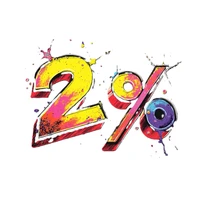

LTX-Video: Realtime Video Latent Diffusion
We introduce LTX-Video, a transformer-based latent diffusion model that adopts a holistic approach to video generation by seamlessly integrating the responsibilities of the Video-VAE and the denoising transformer. Unlike existing methods, which treat these components as independent, LTX-Video aims to optimize their interaction for improved efficiency and quality. At its core is a carefully designed Video-VAE that achieves a high compression ratio of 1:192, with spatiotemporal downscaling of 32 x 32 x 8 pixels per token, enabled by relocating the patchifying operation from the transformer's input to the VAE's input. Operating in this highly compressed latent space enables the transformer to efficiently perform full spatiotemporal self-attention, which is essential for generating high-resolution videos with temporal consistency. However, the high compression inherently limits the representation of fine details. To address this, our VAE decoder is tasked with both latent-to-pixel conversion and the final denoising step, producing the clean result directly in pixel space. This approach preserves the ability to generate fine details without incurring the runtime cost of a separate upsampling module. Our model supports diverse use cases, including text-to-video and image-to-video generation, with both capabilities trained simultaneously. It achieves faster-than-real-time generation, producing 5 seconds of 24 fps video at 768x512 resolution in just 2 seconds on an Nvidia H100 GPU, outperforming all existing models of similar scale. The source code and pre-trained models are publicly available, setting a new benchmark for accessible and scalable video generation.





TransformerFAM: Feedback attention is working memory
While Transformers have revolutionized deep learning, their quadratic attention complexity hinders their ability to process infinitely long inputs. We propose Feedback Attention Memory (FAM), a novel Transformer architecture that leverages a feedback loop to enable the network to attend to its own latent representations. This design fosters the emergence of working memory within the Transformer, allowing it to process indefinitely long sequences. TransformerFAM requires no additional weights, enabling seamless integration with pre-trained models. Our experiments show that TransformerFAM significantly improves Transformer performance on long-context tasks across various model sizes (1B, 8B, and 24B). These results showcase the potential to empower Large Language Models (LLMs) to process sequences of unlimited length.

DiffRhythm: Blazingly Fast and Embarrassingly Simple End-to-End Full-Length Song Generation with Latent Diffusion
Recent advancements in music generation have garnered significant attention, yet existing approaches face critical limitations. Some current generative models can only synthesize either the vocal track or the accompaniment track. While some models can generate combined vocal and accompaniment, they typically rely on meticulously designed multi-stage cascading architectures and intricate data pipelines, hindering scalability. Additionally, most systems are restricted to generating short musical segments rather than full-length songs. Furthermore, widely used language model-based methods suffer from slow inference speeds. To address these challenges, we propose DiffRhythm, the first latent diffusion-based song generation model capable of synthesizing complete songs with both vocal and accompaniment for durations of up to 4m45s in only ten seconds, maintaining high musicality and intelligibility. Despite its remarkable capabilities, DiffRhythm is designed to be simple and elegant: it eliminates the need for complex data preparation, employs a straightforward model structure, and requires only lyrics and a style prompt during inference. Additionally, its non-autoregressive structure ensures fast inference speeds. This simplicity guarantees the scalability of DiffRhythm. Moreover, we release the complete training code along with the pre-trained model on large-scale data to promote reproducibility and further research.
AnyDressing: Customizable Multi-Garment Virtual Dressing via Latent Diffusion Models
Recent advances in garment-centric image generation from text and image prompts based on diffusion models are impressive. However, existing methods lack support for various combinations of attire, and struggle to preserve the garment details while maintaining faithfulness to the text prompts, limiting their performance across diverse scenarios. In this paper, we focus on a new task, i.e., Multi-Garment Virtual Dressing, and we propose a novel AnyDressing method for customizing characters conditioned on any combination of garments and any personalized text prompts. AnyDressing comprises two primary networks named GarmentsNet and DressingNet, which are respectively dedicated to extracting detailed clothing features and generating customized images. Specifically, we propose an efficient and scalable module called Garment-Specific Feature Extractor in GarmentsNet to individually encode garment textures in parallel. This design prevents garment confusion while ensuring network efficiency. Meanwhile, we design an adaptive Dressing-Attention mechanism and a novel Instance-Level Garment Localization Learning strategy in DressingNet to accurately inject multi-garment features into their corresponding regions. This approach efficiently integrates multi-garment texture cues into generated images and further enhances text-image consistency. Additionally, we introduce a Garment-Enhanced Texture Learning strategy to improve the fine-grained texture details of garments. Thanks to our well-craft design, AnyDressing can serve as a plug-in module to easily integrate with any community control extensions for diffusion models, improving the diversity and controllability of synthesized images. Extensive experiments show that AnyDressing achieves state-of-the-art results.




Coarse-to-Fine Latent Diffusion for Pose-Guided Person Image Synthesis
Diffusion model is a promising approach to image generation and has been employed for Pose-Guided Person Image Synthesis (PGPIS) with competitive performance. While existing methods simply align the person appearance to the target pose, they are prone to overfitting due to the lack of a high-level semantic understanding on the source person image. In this paper, we propose a novel Coarse-to-Fine Latent Diffusion (CFLD) method for PGPIS. In the absence of image-caption pairs and textual prompts, we develop a novel training paradigm purely based on images to control the generation process of the pre-trained text-to-image diffusion model. A perception-refined decoder is designed to progressively refine a set of learnable queries and extract semantic understanding of person images as a coarse-grained prompt. This allows for the decoupling of fine-grained appearance and pose information controls at different stages, and thus circumventing the potential overfitting problem. To generate more realistic texture details, a hybrid-granularity attention module is proposed to encode multi-scale fine-grained appearance features as bias terms to augment the coarse-grained prompt. Both quantitative and qualitative experimental results on the DeepFashion benchmark demonstrate the superiority of our method over the state of the arts for PGPIS. Code is available at https://github.com/YanzuoLu/CFLD.

Attention Distillation: A Unified Approach to Visual Characteristics Transfer
Recent advances in generative diffusion models have shown a notable inherent understanding of image style and semantics. In this paper, we leverage the self-attention features from pretrained diffusion networks to transfer the visual characteristics from a reference to generated images. Unlike previous work that uses these features as plug-and-play attributes, we propose a novel attention distillation loss calculated between the ideal and current stylization results, based on which we optimize the synthesized image via backpropagation in latent space. Next, we propose an improved Classifier Guidance that integrates attention distillation loss into the denoising sampling process, further accelerating the synthesis and enabling a broad range of image generation applications. Extensive experiments have demonstrated the extraordinary performance of our approach in transferring the examples' style, appearance, and texture to new images in synthesis. Code is available at https://github.com/xugao97/AttentionDistillation.
TALE: Training-free Cross-domain Image Composition via Adaptive Latent Manipulation and Energy-guided Optimization
We present TALE, a novel training-free framework harnessing the generative capabilities of text-to-image diffusion models to address the cross-domain image composition task that focuses on flawlessly incorporating user-specified objects into a designated visual contexts regardless of domain disparity. Previous methods often involve either training auxiliary networks or finetuning diffusion models on customized datasets, which are expensive and may undermine the robust textual and visual priors of pre-trained diffusion models. Some recent works attempt to break the barrier by proposing training-free workarounds that rely on manipulating attention maps to tame the denoising process implicitly. However, composing via attention maps does not necessarily yield desired compositional outcomes. These approaches could only retain some semantic information and usually fall short in preserving identity characteristics of input objects or exhibit limited background-object style adaptation in generated images. In contrast, TALE is a novel method that operates directly on latent space to provide explicit and effective guidance for the composition process to resolve these problems. Specifically, we equip TALE with two mechanisms dubbed Adaptive Latent Manipulation and Energy-guided Latent Optimization. The former formulates noisy latents conducive to initiating and steering the composition process by directly leveraging background and foreground latents at corresponding timesteps, and the latter exploits designated energy functions to further optimize intermediate latents conforming to specific conditions that complement the former to generate desired final results. Our experiments demonstrate that TALE surpasses prior baselines and attains state-of-the-art performance in image-guided composition across various photorealistic and artistic domains.

Multimodal-Conditioned Latent Diffusion Models for Fashion Image Editing
Fashion illustration is a crucial medium for designers to convey their creative vision and transform design concepts into tangible representations that showcase the interplay between clothing and the human body. In the context of fashion design, computer vision techniques have the potential to enhance and streamline the design process. Departing from prior research primarily focused on virtual try-on, this paper tackles the task of multimodal-conditioned fashion image editing. Our approach aims to generate human-centric fashion images guided by multimodal prompts, including text, human body poses, garment sketches, and fabric textures. To address this problem, we propose extending latent diffusion models to incorporate these multiple modalities and modifying the structure of the denoising network, taking multimodal prompts as input. To condition the proposed architecture on fabric textures, we employ textual inversion techniques and let diverse cross-attention layers of the denoising network attend to textual and texture information, thus incorporating different granularity conditioning details. Given the lack of datasets for the task, we extend two existing fashion datasets, Dress Code and VITON-HD, with multimodal annotations. Experimental evaluations demonstrate the effectiveness of our proposed approach in terms of realism and coherence concerning the provided multimodal inputs.



Motion2VecSets: 4D Latent Vector Set Diffusion for Non-rigid Shape Reconstruction and Tracking
We introduce Motion2VecSets, a 4D diffusion model for dynamic surface reconstruction from point cloud sequences. While existing state-of-the-art methods have demonstrated success in reconstructing non-rigid objects using neural field representations, conventional feed-forward networks encounter challenges with ambiguous observations from noisy, partial, or sparse point clouds. To address these challenges, we introduce a diffusion model that explicitly learns the shape and motion distribution of non-rigid objects through an iterative denoising process of compressed latent representations. The diffusion-based priors enable more plausible and probabilistic reconstructions when handling ambiguous inputs. We parameterize 4D dynamics with latent sets instead of using global latent codes. This novel 4D representation allows us to learn local shape and deformation patterns, leading to more accurate non-linear motion capture and significantly improving generalizability to unseen motions and identities. For more temporally-coherent object tracking, we synchronously denoise deformation latent sets and exchange information across multiple frames. To avoid computational overhead, we designed an interleaved space and time attention block to alternately aggregate deformation latents along spatial and temporal domains. Extensive comparisons against state-of-the-art methods demonstrate the superiority of our Motion2VecSets in 4D reconstruction from various imperfect observations. More detailed information can be found at https://vveicao.github.io/projects/Motion2VecSets/.

Cross-Image Attention for Zero-Shot Appearance Transfer
Recent advancements in text-to-image generative models have demonstrated a remarkable ability to capture a deep semantic understanding of images. In this work, we leverage this semantic knowledge to transfer the visual appearance between objects that share similar semantics but may differ significantly in shape. To achieve this, we build upon the self-attention layers of these generative models and introduce a cross-image attention mechanism that implicitly establishes semantic correspondences across images. Specifically, given a pair of images -- one depicting the target structure and the other specifying the desired appearance -- our cross-image attention combines the queries corresponding to the structure image with the keys and values of the appearance image. This operation, when applied during the denoising process, leverages the established semantic correspondences to generate an image combining the desired structure and appearance. In addition, to improve the output image quality, we harness three mechanisms that either manipulate the noisy latent codes or the model's internal representations throughout the denoising process. Importantly, our approach is zero-shot, requiring no optimization or training. Experiments show that our method is effective across a wide range of object categories and is robust to variations in shape, size, and viewpoint between the two input images.




Diff-Foley: Synchronized Video-to-Audio Synthesis with Latent Diffusion Models
The Video-to-Audio (V2A) model has recently gained attention for its practical application in generating audio directly from silent videos, particularly in video/film production. However, previous methods in V2A have limited generation quality in terms of temporal synchronization and audio-visual relevance. We present Diff-Foley, a synchronized Video-to-Audio synthesis method with a latent diffusion model (LDM) that generates high-quality audio with improved synchronization and audio-visual relevance. We adopt contrastive audio-visual pretraining (CAVP) to learn more temporally and semantically aligned features, then train an LDM with CAVP-aligned visual features on spectrogram latent space. The CAVP-aligned features enable LDM to capture the subtler audio-visual correlation via a cross-attention module. We further significantly improve sample quality with `double guidance'. Diff-Foley achieves state-of-the-art V2A performance on current large scale V2A dataset. Furthermore, we demonstrate Diff-Foley practical applicability and generalization capabilities via downstream finetuning. Project Page: see https://diff-foley.github.io/
